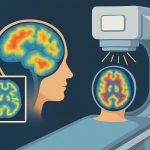
Mental health and addiction are deeply interconnected. Many individuals who struggle with substance abuse also experience underlying psychiatric conditions such as depression, anxiety, bipolar disorder, PTSD, or personality disorders. When both a mental health disorder and a substance use disorder occur simultaneously, it is known as a co-occurring disorder or dual diagnosis.
Treating these conditions separately often leads to relapse and incomplete recovery. This is why co-occurring disorders require structured and integrated care within a professional rehabilitation setting.
Understanding Co-Occurring Disorders
A co-occurring disorder exists when a person experiences both a mental health condition and substance dependency at the same time. For example, someone dealing with untreated anxiety may begin using alcohol to manage symptoms. Over time, alcohol dependency develops, while the anxiety disorder worsens.
Without proper Dual Diagnosis Treatment in India, the cycle continues:
- Mental health symptoms trigger substance use.
- Substance use temporarily reduces emotional distress.
- Dependency develops.
- Addiction intensifies psychiatric symptoms.
Breaking this cycle requires comprehensive rehabilitation that addresses both conditions simultaneously.
Why Rehab Is the Right Environment
Rehabilitation centers provide a structured and medically supervised setting that ensures safety, stability, and continuous monitoring. Unlike outpatient care, rehab facilities offer 24/7 support from trained professionals.
Leading centers such as Jagruti Rehabilitation Centre specialize in integrated Co-Occurring Addiction Treatment, combining psychiatric care with addiction recovery programs under one roof.
In a rehab setting, patients receive:
- Comprehensive psychological assessments
- Medically supervised detoxification
- Individual and group therapy
- Medication management
- Behavioral therapy
- Relapse prevention planning
This multidisciplinary approach significantly improves long-term recovery outcomes.
The Importance of Integrated Treatment
Treating addiction without addressing the underlying mental health condition often results in relapse. Similarly, treating only the psychiatric disorder without managing substance abuse is ineffective.
Integrated Dual Diagnosis Treatment in India focuses on understanding how both conditions influence each other. Psychiatrists, psychologists, addiction counselors, and therapists collaborate to develop personalized treatment plans.
Clinical therapies commonly used include:
- Cognitive Behavioral Therapy (CBT)
- Dialectical Behavior Therapy (DBT)
- Trauma-focused therapy
- Medication-assisted treatment (if required)
- Structured Clinical Mental Health Counseling
This coordinated care ensures that both disorders are stabilized simultaneously.
Addressing Mental Health Challenges Alongside Addiction
Individuals with co-occurring disorders often struggle with severe emotional instability, mood swings, panic attacks, intrusive thoughts, or trauma-related symptoms. Substance use may initially appear to provide relief, but it ultimately worsens mental health challenges.
Rehabilitation programs offering Help with Mental Health Challenges focus on building healthy coping strategies, emotional regulation skills, and resilience. Patients learn how to manage stress, triggers, and cravings without turning to substances.
At institutions like Jagruti Rehabilitation Centre, treatment programs are designed to provide holistic healing—addressing the physical, emotional, and psychological aspects of recovery.
Benefits of Treating Co-Occurring Disorders at Rehab
Choosing a specialized rehab center offers several advantages:
1. Accurate Diagnosis
Comprehensive evaluations help identify underlying psychiatric conditions that may have gone undiagnosed.
2. Safe Detoxification
Medical supervision ensures that withdrawal symptoms are managed safely.
3. Continuous Monitoring
Round-the-clock care reduces the risk of relapse during the early stages of recovery.
4. Structured Therapy
Regular Clinical Mental Health Counseling sessions help patients understand behavioral patterns and emotional triggers.
5. Long-Term Relapse Prevention
Rehab centers develop aftercare plans that include follow-up therapy, support groups, and lifestyle adjustments.
The Role of Family and Aftercare
Family involvement plays a critical role in recovery from co-occurring disorders. Many rehab centers provide family counseling to improve communication and rebuild trust. Aftercare programs ensure continued progress even after discharge from inpatient treatment.
Sustained recovery requires ongoing therapy, medication adherence (if prescribed), and a strong support system.
Conclusion
Co-occurring disorders are complex conditions that demand specialized and integrated treatment. Attempting to treat addiction or mental health challenges independently often leads to relapse and prolonged suffering.
Comprehensive Dual Diagnosis Treatment in India, structured Co-Occurring Addiction Treatment, and professional Clinical Mental Health Counseling within a rehabilitation setting provide the foundation for lasting recovery.
Centers such as Jagruti Rehabilitation Centre offer holistic programs designed to provide effective Help with Mental Health Challenges while addressing substance dependency.
With the right environment, professional guidance, and continuous support, individuals can achieve emotional stability, sobriety, and long-term well-being.

Lynn Martelli is an editor at Readability. She received her MFA in Creative Writing from Antioch University and has worked as an editor for over 10 years. Lynn has edited a wide variety of books, including fiction, non-fiction, memoirs, and more. In her free time, Lynn enjoys reading, writing, and spending time with her family and friends.