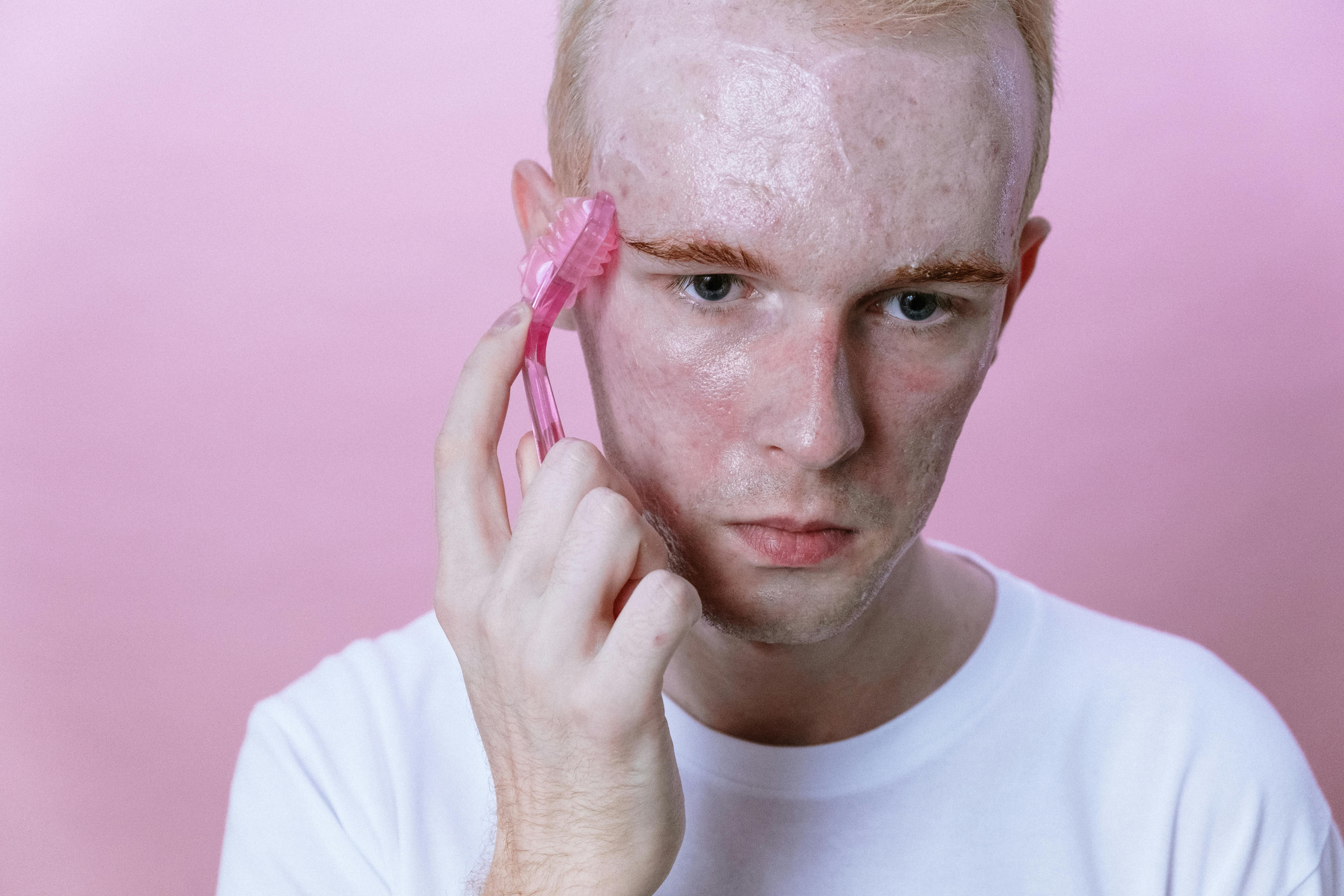
Unlike teenagers, adults suffer from acne that seems to come out of nowhere and stay for much longer periods of time. This is why many believe that harsher treatment methods should be considered, which often result in increased irritation, dryness, and recurrent breakouts.
What people do not realize is that their skin is no longer the same, and therefore, it requires different approaches. Unlike before, when acne treatments focused on removing dirt and debris, now they need to focus on the integrity of the skin barrier and its ability to retain moisture. Healthy skin can maintain its oil balance, resist irritants, and recover from outbreaks much faster than others.
Therefore, it is important to understand how acne forms and what types of breakouts may occur.
Understanding these differences is key to choosing the best adult acne treatment for long-term results.
Understanding Adult Acne
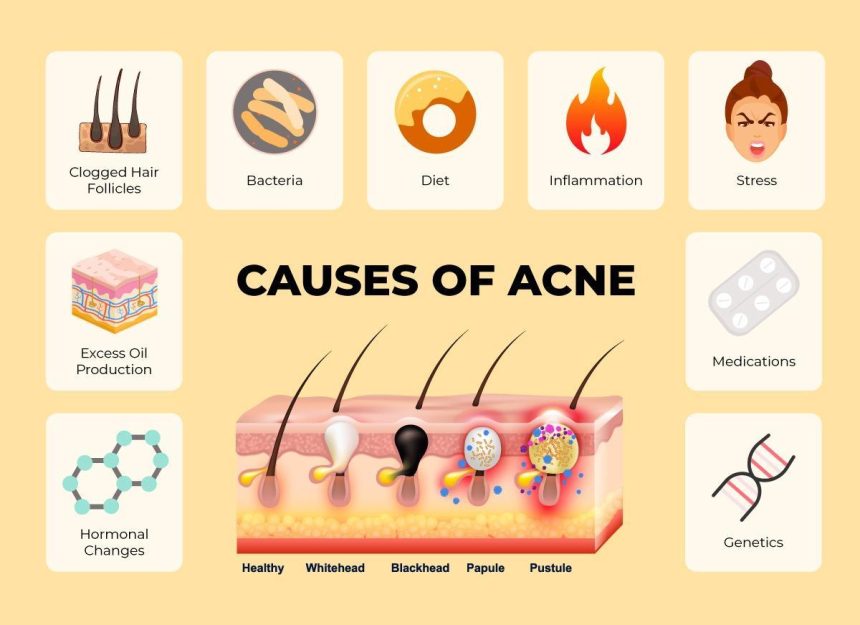
Acne in adulthood tends to be more complex than acne breakouts during the teenage years. Hormonal changes may contribute to the condition, but other factors, such as stress, environmental triggers, diet, and improper skin care regimens, may also play a role.
Since adult skin is more sensitive, it takes longer to repair itself, making it more susceptible to irritation from aggressive treatment methods. Finding the best acne treatment for adults it’s important to look beyond harsh solutions and focus on skin barrier health and hydration.
When your skin barrier is damaged, it can’t hold moisture or protect against irritation properly. It can increase sebum secretion, clog pores, and cause inflammation.
Because of these complexities, adult acne treatment should focus on supporting and repairing the skin rather than just attacking acne symptoms.

Types of Acne
The following are types of acne;
- Whiteheads– These form when pores become clogged with oil and dead skin but remain closed at the surface, creating small white or flesh-colored bumps.
- Blackheads– Blackheads often occur when clogged pores remain open, allowing the contents to oxidize and turn dark.
- Papules– These are small, red, inflamed bumps that develop when clogged pores become irritated.
- Pustules– Pustules are inflamed pimples that contain pus, often with a red base and a white or yellow center.
- Nodules– Nodules are large, painful lumps that form deep within the skin. They are more severe and can take longer to resolve.
- Cystic acne– This is one of the most severe forms, characterized by deep, inflamed, and often painful lesions that may lead to scarring.
- Understanding your acne type can guide the acne treatment for adults you choose, targeting not only breakouts but also barrier restoration.
The Skin Barrier: Why It Matters
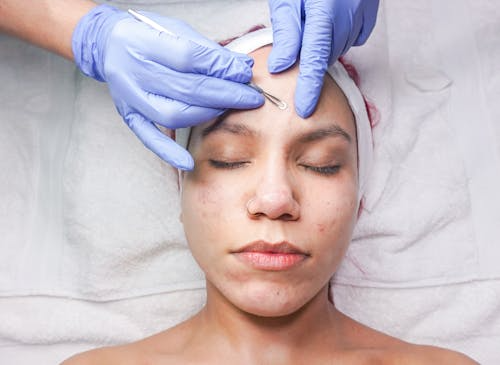
The skin barrier is the outermost layer of skin, providing a protective cover that shields the skin from external elements while preventing dehydration.
If the skin barrier is imbalanced, there will be a loss of hydration and other benefits, making it more prone to breakouts. Common acne treatments involve products that remove oil, thereby compromising the skin barrier and leading to irritation and dryness.
As a reaction, the skin barrier tries to compensate by producing more oil, which can trigger breakouts.
For effective treatment of adult acne, protecting and repairing the skin barrier is essential to reduce sensitivity and regulate oil production.
The Role of Hydration in Acne Management
One factor often ignored in acne therapy but essential for proper skin care is hydration. When the skin lacks moisture, it becomes tight, dull, and irritated, and starts producing excess sebum to counteract dehydration and protect itself.
Proper hydration restores moisture levels and helps the skin respond better to treatment. Hydrated skin is much better at absorbing these ingredients and responding to the therapy.
Thus, using gentle, hydrating products allows for effective adult acne treatments without compromising skin integrity.
Why Barrier Health And Hydration Are Important For Treating Acne In Adults
The best way for adults to get rid of acne is not to aggressively strip the skin, but to help it protect itself. A healthy skin barrier locks in moisture, keeps bacteria and irritants out, and keeps oil production in check. Drinking enough water helps by preventing the skin from producing too much sebum, reducing inflammation, and allowing acne-fighting ingredients to work better.
In short, focusing on barrier health and hydration creates the best conditions for any adult acne treatment to work well, leading to shorter breakouts and less irritation. This is why it is the best way to treat adult skin.
Final Thoughts
Dealing with adult acne is a paradigm shift from treating it aggressively to taking care of it effectively.
Although using harsh products to achieve immediate results might be appealing, doing so would result in a series of drawbacks, including weakening the skin barrier and its natural state. The severity of each form of acne depends on the skin’s health and its ability to hydrate and protect itself.
In other words, by prioritizing the health of the skin barrier and hydration, one can break the vicious cycle of irritation and acne. Proper acne treatments for adults focus on both clearing breakouts and building strong, resilient skin.
Ultimately, healthy and beautiful skin is not something taken from your skin—it’s something you build through consistent care, the right adult acne treatment, and informed skincare choices.

Lynn Martelli is an editor at Readability. She received her MFA in Creative Writing from Antioch University and has worked as an editor for over 10 years. Lynn has edited a wide variety of books, including fiction, non-fiction, memoirs, and more. In her free time, Lynn enjoys reading, writing, and spending time with her family and friends.