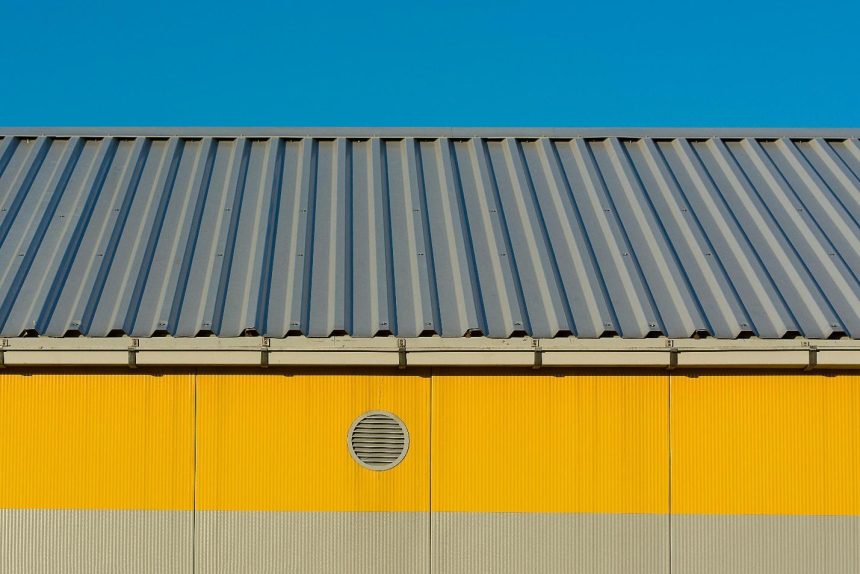
Metal buildings are becoming increasingly popular across a variety of industries. Favored for the strength and durability of the material and its overall cost efficiency in the long scheme of things. You will find that many warehouses and agricultural facilities utilize metal buildings as they meet the demanding performance requirements. However, their reliability is not just down to the materials used. There are strict structural standards in place that guide design and construction requirements.
Understanding these standards is essential for anyone planning to invest in a metal building. They ensure safety, improve performance, and support long term value.
What Are Structural Standards in Metal Buildings
You will find that there are structural standards in place that are essentially a set of rules and guidelines that a building and its materials manufacturers have to follow. Ensuring these rules are followed will mean that they are built to engineering standards and have better chances at withstanding various forces. This includes standing testing elements like wind, snow and occupancy needs.
In metal buildings, these standards influence everything from the thickness of steel components to the way connections are designed. They ensure that each structure performs as expected under real world conditions.
Why Structural Standards Exist in the United States
Structural standards in the United States are in place not only to protect people, but to also protect the property and investors. The country experiences a wide range of environmental conditions, from hurricanes and heavy snowfall to high winds and seismic activity. Without clear guidelines, buildings would be more vulnerable to failure.
Organizations such as building code authorities and engineering bodies establish these standards based on extensive research and testing. Their goal is to reduce risks and ensure consistency across construction projects.
Buildings that follow the compliance of modern structural standards are seen to be significantly more resilient. It has been shown that properly engineered structures can reduce damage from extreme weather events by up to 40% compared to non-compliant buildings.
Why Metal Buildings Must Meet Structural Standards
Metal buildings are often used for large scale and high demand applications, which makes structural reliability critical. These buildings must support heavy loads, accommodate wide open spaces, and remain stable under changing environmental conditions.
Structural standards ensure that metal buildings can handle these challenges. They define how steel components should be manufactured, assembled, and reinforced. This reduces the likelihood of structural failure and extends the lifespan of the building.
Compliance with standards is often required for permits, insurance, and resale value. A building that meets recognized standards is more likely to gain approval and maintain its worth over time.
Key Elements of Structural Standards for Metal Buildings
The load requirement needs to be taken into account. Standards specify how much weight a building must support, including equipment, stored materials, and environmental forces such as wind and snow. Alongside this, the material quality plays a huge factor. Steel used in metal buildings must meet strict quality guidelines to ensure strength and durability.
Buildings would be nothing without the correct joints and connections, as they are critical points in any structure. Standards are there to ensure they are strong enough to maintain stability under stress.
A lot of compliance and regulations are set in place for one thing. And that is the overall safety of the buildings. Engineers include safety factors in their designs to account for unexpected conditions, adding an extra layer of protection.
How Metal Buildings Compare to Other Materials
Metal buildings offer several advantages when compared to traditional materials such as wood or concrete.
- Strength and Durability: Steel is known for its high strength to weight ratio. This allows metal buildings to support heavy loads without requiring excessive material.
- Resistance to Environmental Damage: Unlike wood, metal is not susceptible to pests or rot. It also performs well in extreme weather conditions when designed according to structural standards.
- Consistency in Quality: Metal components are typically manufactured in controlled environments, ensuring uniform quality. This reduces variability and improves overall reliability.
- Faster Construction: Pre-engineered metal building systems can be assembled more quickly than many traditional structures, reducing labor costs and project timelines.
Studies indicate that metal buildings can last 20 – 30% longer than structures made from less durable materials when properly maintained and built to standard.
The Role of Structural Standards in Efficiency
To summaries, structural standards work towards creating safe and efficient construction processes. Efficiency is increased through the reduction of waste materials, lowered maintenance costs, and improve energy efficiency and performance. All making it so that a building is more efficient in every manner.
The Future of Structural Standards in Metal Buildings
As technology advances, structural standards continue to evolve. Digital modeling and simulation tools allow engineers to test designs more accurately before construction begins.
Industry trends show that over 70% of modern metal building projects now incorporate advanced engineering analysis to optimize performance. This is leading to safer, more efficient, and more sustainable structures.
In the United States, these standards play a crucial role in protecting both people and investments. Metal buildings, when designed and constructed according to these guidelines, offer clear advantages over traditional materials and building processes.
For businesses and developers, understanding and prioritizing structural standards is not just a regulatory requirement. It is a smart investment in the future performance and success of any building project.

Lynn Martelli is an editor at Readability. She received her MFA in Creative Writing from Antioch University and has worked as an editor for over 10 years. Lynn has edited a wide variety of books, including fiction, non-fiction, memoirs, and more. In her free time, Lynn enjoys reading, writing, and spending time with her family and friends.