Key Takeaways
- Trade finance solutions are instrumental in supporting businesses as they enter and operate in foreign markets, helping to manage both cash flow and risk.
- A range of instruments is available, including letters of credit, export credit insurance, and trade loans, each serving unique roles in international trade.
- Technology is driving efficiency in trade finance, simplifying processes and enhancing security for global transactions.
- Choosing the right trade finance solution depends on assessing business needs and the reliability of financial partners.
Table of Contents
- Understanding Trade Finance
- Common Trade Finance Instruments
- Benefits of Trade Finance
- Technological Advancements in Trade Finance
- Choosing the Right Trade Finance Solution
- Case Studies of Successful Trade Finance Implementation
- Conclusion
In today’s rapidly evolving global economy, companies are reaching across borders to secure growth and maintain competitiveness. Yet, this expansion is not without its challenges. Managing cash flow and minimizing risks such as delayed payments or political instability are critical concerns. Fortunately, supply chain finance Australia provides a comprehensive framework to address these issues, enabling businesses to focus on their core operations while minimizing risk.
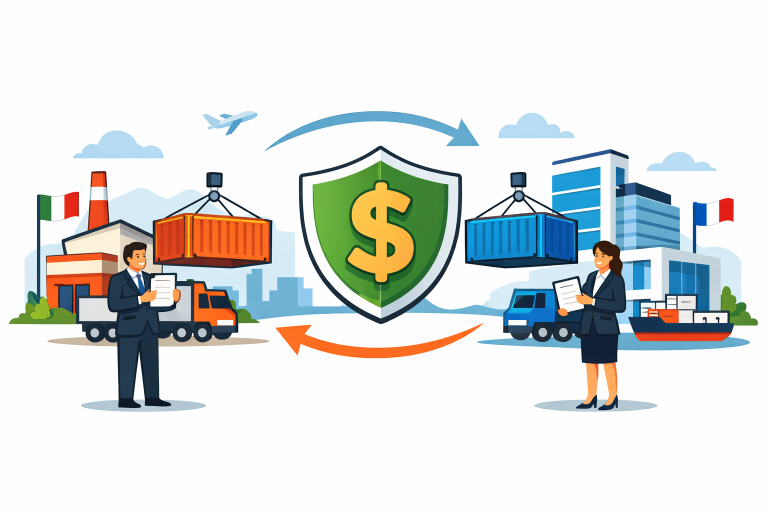
Trade finance serves as a stabilizing force for international trade, safeguarding both importers and exporters as they conduct business worldwide. Reliable trade finance services ensure smoother transactions and greater transparency, which are essential for sustainable expansion. Whether it is protecting against non-payment or improving liquidity, trade finance plays an essential role in international commerce and is a key enabler of cross-border partnerships.
Understanding Trade Finance
Trade finance encompasses a broad range of financial products, each designed to facilitate international trade and commerce by safeguarding business interests and fostering trust. By using trade finance, businesses can confidently manage cross-border sales and purchases, regardless of the geographic or regulatory complexity. According to the International Chamber of Commerce, between 80% and 90% of international trade transactions use some form of trade finance, underscoring its significance in supporting the global economy. Financial products under the trade finance umbrella help bridge the payment gap between importers and exporters, thus ensuring timely payments and reducing the risk posed by volatile global markets.
Common Trade Finance Instruments
The most widely used trade finance instruments offer varying degrees of protection and flexibility:
- Letters of Credit (LCs): These provide a guarantee from a financial institution that payment will be made to the exporter if the terms specified in the agreement are met. LCs reduce risk and are often used to secure transactions between unfamiliar partners.
- Export Credit Insurance: This instrument shields exporters from the risk of non-payment arising from commercial disputes or political upheaval in the buyer’s country. Export credit insurance ensures that, even if a buyer defaults, the seller will recover the amount due.
- Trade Loans: These are short-term loans specifically tailored for companies trading internationally. Trade loans provide working capital to cover the purchase of raw materials, pay suppliers, or fund transport costs.
Benefits of Trade Finance
Trade finance delivers several strategic benefits to companies aiming for global reach:
- Risk Mitigation: Trade finance instruments reduce the risk of financial losses from unforeseen circumstances, such as currency fluctuations, insolvency, or political instability.
- Improved Cash Flow: Immediate access to working capital empowers exporters and importers to invest in their operations’ growth without waiting for international payments to clear.
- Market Expansion: By alleviating the key financial barriers to entering new geographies, trade finance solutions enable companies to pursue international ventures with confidence and security.
This realm of finance is essential for both established corporations and smaller enterprises looking to enter competitive global markets. According to a detailed Investopedia overview, trade finance not only helps companies scale but also bridges trust and liquidity gaps.
Technological Advancements in Trade Finance
The landscape of trade finance is witnessing a digital transformation as banks and fintech companies leverage technology to innovate and optimize traditional processes. Digital platforms now streamline documentation, automate payment processing, and provide real-time visibility over trade flows. For example, HSBC recently introduced TradePay, which streamlines both the financing and payment of import duties into a single, efficient digital workflow. This reduces reliance on paper-based systems, enabling businesses to expedite transactions while improving security and transparency.
Choosing the Right Trade Finance Solution
Selecting an appropriate trade finance instrument or partner hinges on thoroughly understanding your company’s specific requirements. Key considerations include:
- Business Needs: What are your company’s trade volumes, transaction sizes, and complexity of cross-border operations?
- Financial Partner Credentials: Does your financial partner have a strong reputation and experience in facilitating international deals?
- Technological Infrastructure: Are you choosing solutions that integrate with digital platforms and provide real-time updates and automation?
Every global business must assess these aspects to ensure that the solutions adopted not only protect them but also enable agility and scalability as they expand.
Case Studies of Successful Trade Finance Implementation
Real-world examples highlight the transformative impact of effective trade finance solutions. DP World Trade Finance, for example, has provided more than $1 billion in working capital to enterprises in emerging markets, helping to close the global trade finance gap and maintain the consistent flow of goods, even in volatile economic environments. The company’s integration of logistics with financial capabilities supports smoother, safer international trade, underscoring the importance of value-added trade finance in both mature and developing markets. $1 Billion Trades Financed.
Conclusion
Adopting a comprehensive trade finance strategy is crucial for any organization with ambitions of global expansion. The right combination of risk mitigation, improved cash flow, and seamless technological integration will provide the foundation for successful entry and sustainable growth in international markets. As global commerce grows increasingly complex, businesses that invest in robust trade finance solutions will enjoy a competitive edge and the ability to confidently navigate the evolving landscape of international trade.

Lynn Martelli is an editor at Readability. She received her MFA in Creative Writing from Antioch University and has worked as an editor for over 10 years. Lynn has edited a wide variety of books, including fiction, non-fiction, memoirs, and more. In her free time, Lynn enjoys reading, writing, and spending time with her family and friends.