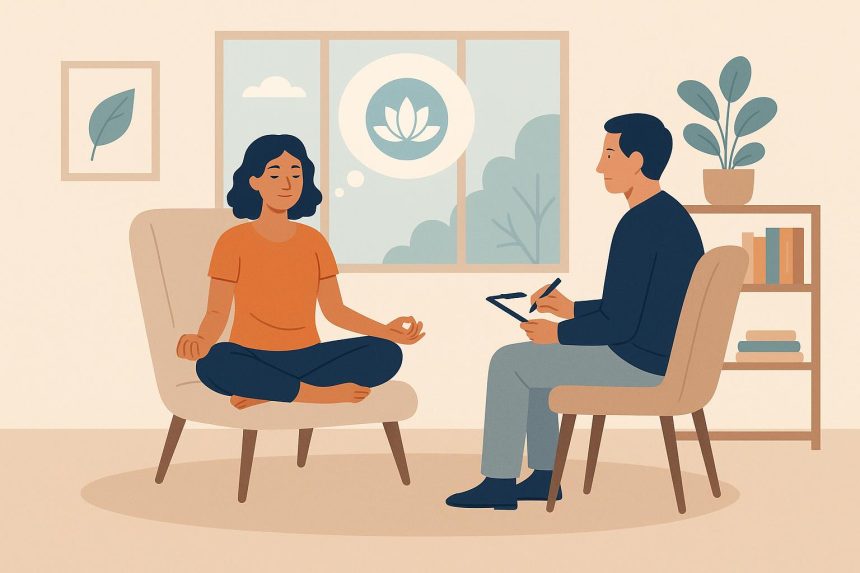
Mindfulness plays an important role in mental health treatment because it encourages steady emotional awareness and calmer responses to stress. Many people entering structured outpatient care or emotional wellness programs struggle with racing thoughts, emotional exhaustion, and difficulty staying present during daily routines. Personalized counseling sessions create a quiet and supportive setting where mindfulness techniques can be practiced with clear direction and meaningful guidance.
Many individuals benefit from one-on-one counseling services because private sessions allow deeper conversations about emotional triggers, unhealthy thought patterns, and daily stressors. A counselor can observe personal challenges closely and introduce mindfulness practices that match specific emotional needs. This individualized attention sometimes helps clients stay engaged with treatment while building healthier coping habits over time.
Personalized Support Encourages Better Emotional Awareness
Mindfulness becomes more effective when emotional experiences are discussed openly in a safe environment. Individual counseling creates space for honest conversations without the pressure of group participation. Clients sometimes feel more comfortable describing anxiety, frustration, or emotional numbness during private sessions.
A trained counselor can also recognize emotional reactions that may interfere with progress in treatment. Guided mindfulness exercises may include breathing techniques, grounding activities, or structured reflection practices that help improve emotional regulation. These focused sessions encourage stronger self-awareness and healthier responses during difficult moments.
Mindfulness Techniques Can Be Adjusted To Individual Needs
Every person experiences stress differently, which makes personalized treatment valuable in mental health care. Some individuals struggle with constant worry, while others experience emotional shutdown or irritability. One-on-one counseling allows mindfulness strategies to match those specific emotional patterns instead of following a broad approach.
Consistent Sessions Build Stronger Daily Habits
Mindfulness works best when practiced regularly in realistic settings. Individual counseling sessions sometimes include discussions about sleep habits, work stress, emotional triggers, and personal routines. These conversations help counselors recommend practical mindfulness exercises that fit naturally into daily life.
Clients may gradually learn how to pause before reacting emotionally, stay focused during stressful situations, or manage overwhelming thoughts more calmly. Small adjustments practiced consistently can support long-term emotional stability and improved concentration throughout treatment.
Private Counseling Creates A Comfortable Healing Environment
Some people entering intensive outpatient treatment feel hesitant about discussing sensitive emotional concerns in larger settings. Private counseling offers a calmer environment where difficult topics can be explored without distraction. This setting sometimes supports stronger trust between the client and counselor, which can improve emotional openness during treatment.
At the same time, one-on-one counseling services allow counselors to monitor emotional progress carefully. Changes in mood, stress tolerance, or mindfulness engagement can be addressed quickly through supportive guidance. This close attention sometimes helps clients remain connected to their treatment goals and emotional wellness plans.
Focused Attention Supports Long-Term Mental Wellness
Mindfulness is not only about relaxation. It also encourages emotional balance, clearer thinking, and healthier reactions during stressful situations. Individual counseling helps reinforce these skills through steady encouragement and structured emotional support.
As mindfulness practices become part of everyday routines, many individuals begin to experience greater emotional clarity and stronger self-control. Personalized counseling sessions provide the consistency and emotional guidance needed to strengthen those healthy patterns over time.
Finding Licensed Professionals For Outpatient Addiction And Mental Health Care
Licensed treatment professionals help individuals manage substance use and mental health concerns through clinical assessments, individualized treatment plans, psychiatric care, behavioral therapy, and mindfulness-based support within a structured outpatient setting.
Mindfulness-focused counseling can support emotional awareness, healthier coping habits, and long-term recovery when guided within a structured outpatient treatment setting. Individualized care and consistent clinical support sometimes help individuals manage daily stress while maintaining progress in mental health and addiction recovery.

Lynn Martelli is an editor at Readability. She received her MFA in Creative Writing from Antioch University and has worked as an editor for over 10 years. Lynn has edited a wide variety of books, including fiction, non-fiction, memoirs, and more. In her free time, Lynn enjoys reading, writing, and spending time with her family and friends.