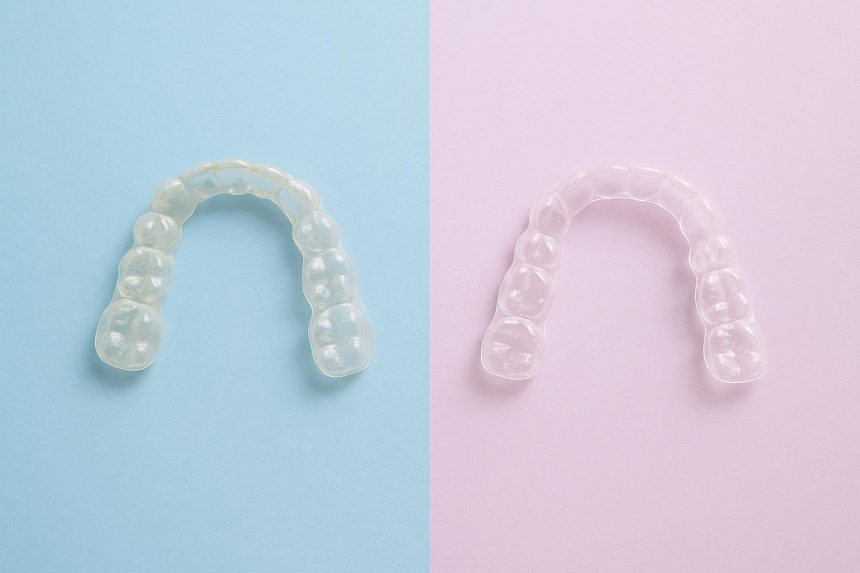
Invisible aligners entered orthodontic care with a clear appeal: tooth movement without metal brackets or archwires. Early systems offered cosmetic value, yet clinical reach was narrower, tray seating varied, and planning tools were less refined. Over time, material science, digital imaging, and treatment staging improved each step.
Current aligners can manage a broader mix of spacing, crowding, and bite concerns with better comfort, closer fit, and more reliable movement than the earliest versions delivered.
From Thick Trays to Better Fit
First-generation trays often felt thicker, with edges that could rub the cheeks or gingiva during speech and meals. Interest in Las Vegas invisalign treatment reflects a wider shift, because current patients expect slimmer plastic, cleaner margins, and steadier tracking throughout wear. Manufacturing has improved, resin blends hold shape better, and trim lines sit more comfortably against soft tissue, which helps trays seat fully and apply force more predictably.
Scans Replaced Putty Molds
Many early cases began with putty impressions, which could distort under pressure, tear on removal, or trigger a strong gag reflex. Three-dimensional scanning changed that starting point. Clinicians now capture tooth position with greater detail and can repeat images quickly if needed. A stronger baseline means fewer fabrication errors and closer tray adaptation. Patients also spend less time in the chair during records appointments.
Planning Became More Exact
Software from the launch years relied on simpler models, so certain movements were harder to forecast with confidence. Current platforms let clinicians study crown position, root angulation, bite contact, and sequence timing in finer detail. Smaller programmed steps can reduce tracking problems during active care. That added control helps many cases finish with fewer refinements and gives patients a more realistic sense of progress before treatment even starts.
Materials Feel Smoother
Plastic composition has changed in useful ways since the first trays reached the market. Modern aligners often stay clearer, resist deformation, and deliver force with more consistency across each wear cycle. Patients still feel pressure after a tray change, which remains expected during orthodontic movement. Even so, smoother edges and more flexible insertion can reduce irritation along the lips, cheeks, and gingival margin.
Attachments Expanded Use
Early aligner therapy worked best for mild crowding or small spaces between teeth. Clinical use widened after attachments, elastics, and improved staging gave trays more control over rotation, extrusion, and bite correction. Those features allow plastic to grip enamel more effectively during complex movements. As a result, teens and adults with moderate orthodontic needs may qualify more often than they once did, though careful case selection still matters.
Monitoring Changed Visits
Follow-up care looks different now than it did in the early years. Visits once relied heavily on visual checks and patient reports about fit, pressure, or wear time. Fresh scans and progress photos now help clinicians compare actual tooth movement with the projected stage. Problems can be caught earlier, before poor tracking causes larger delays. That shift supports faster adjustments and steadier treatment pacing.
Hygiene Stayed Simpler
One advantage has remained constant from launch onward: aligners can be removed for brushing and flossing. That matters for periodontal health, because plaque and food debris collect more easily around fixed brackets and wires. Patients also receive clearer guidance on rinsing, cleaning, and storing trays between meals. Better home care reduces odor, staining, and warping, which makes long treatment plans easier to follow without avoidable setbacks.
Retention Became Part of the Plan
Long-term stability receives more attention now than it did during early marketing years. Straightening alone does not secure a result, because teeth can drift after active movement ends. Retainers protect the final position while bone and surrounding fibers adapt. Clearer counseling about wear schedules, relapse risk, and maintenance has improved patient expectations. That final phase now carries more clinical weight than it once did.
Evidence Grew in Public View
Published research and long-term follow-up have expanded since aligners first appeared. Clinicians now have a stronger record for judging case selection, likely refinements, and limits in difficult bite patterns. Public familiarity has also increased, which makes consultations more efficient because many adults already understand the basic process. Clearer evidence has not made trays right for every case, though it has improved informed consent and treatment planning.
Conclusion
Invisible aligners have shifted from a limited cosmetic option into a more capable orthodontic system with stronger clinical support. Better imaging, improved polymers, smarter staging, and closer monitoring all contributed to that progress. The core idea never changed, clear trays moving teeth in planned steps. What changed was precision, comfort, and treatment range, which explains why present-day care looks far more dependable, versatile, and medically grounded than the earliest aligner era.

Lynn Martelli is an editor at Readability. She received her MFA in Creative Writing from Antioch University and has worked as an editor for over 10 years. Lynn has edited a wide variety of books, including fiction, non-fiction, memoirs, and more. In her free time, Lynn enjoys reading, writing, and spending time with her family and friends.