Have you ever looked at a photo of yourself and zoomed in on your smile before noticing anything else? In cities like LA and across the country, that reaction has become increasingly common. Cosmetic dentistry is no longer a niche luxury reserved for celebrities. It has become part of a larger conversation about confidence, personal branding, and wellness, helping explain why demand continues to rise year after year.
The Smile Economy
A smile has always mattered, but today it carries a different kind of value. In a world shaped by video meetings, social media profiles, and endless smartphone cameras, people see their own faces more often than any generation before them. The result is a growing awareness of details that might have once gone unnoticed, including tooth color, spacing, and alignment.
That constant visibility has created what some observers call the “smile economy.” People invest in their teeth for many of the same reasons they invest in fitness, skincare, or professional clothing. A brighter smile can influence first impressions, making cosmetic dental procedures feel less like vanity projects and more like practical self-improvement.
Technology Has Made Results More Natural
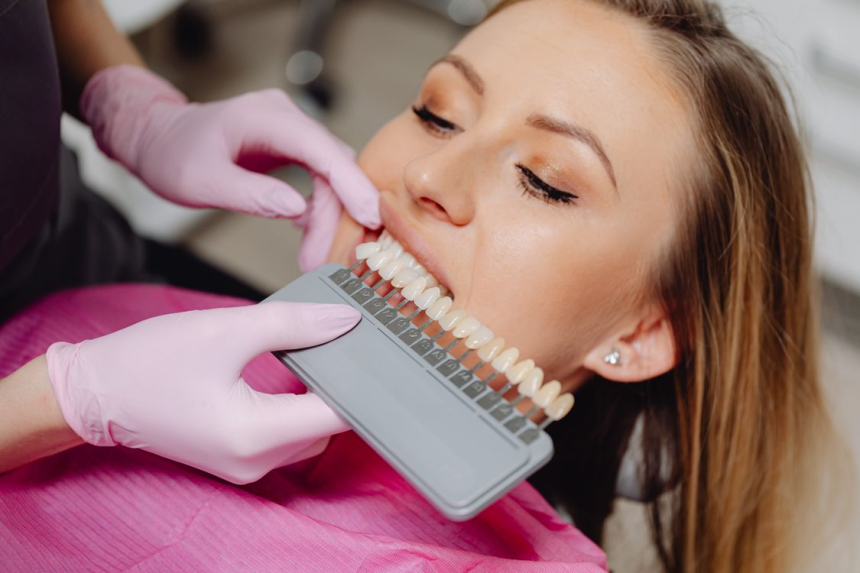
One reason cosmetic dentistry continues to expand is that the results look significantly better than they did decades ago. The oversized, ultra-white smiles that once defined cosmetic work have largely fallen out of favor. Patients now want improvements that look believable and fit their facial features.
This trend is especially visible among people looking for the top dentists in LA, where competition has pushed providers to combine advanced technology with artistic precision. Dr. Jon Marashi, a Los Angeles cosmetic dentist known for creating highly customized smiles, has built a reputation around natural-looking results. His practice emphasizes veneers and cosmetic dentistry that enhance rather than overpower a person’s appearance, with each smile carefully sculpted using microscope precision.
The growing preference for subtle improvements reflects a broader shift in aesthetics. Whether people are updating their wardrobes, skincare routines, or smiles, the goal is increasingly to look refreshed rather than transformed.
Social Media Keeps Smiles Front and Center
Social media has changed how people think about appearance. Platforms like Instagram, TikTok, and LinkedIn place faces at the center of communication, turning photos and videos into daily forms of self-presentation.
Ironically, the same platforms that encourage authenticity also encourage appearance upgrades. Users are told to be themselves while posting high-definition images that reveal every detail. That contradiction has fueled interest in whitening treatments, Invisalign, bonding, and veneers. Many patients are not chasing perfection. They simply want to feel comfortable when the camera suddenly appears at a birthday party, work event, or family gathering.
Cosmetic Dentistry Is Becoming Part of Wellness
The modern wellness movement has expanded far beyond diet and exercise. People now view health through a broader lens that includes sleep quality, mental well-being, skincare, and appearance. Cosmetic dentistry has naturally found a place within that framework.
A healthy-looking smile often influences how people feel about themselves. Studies have consistently linked confidence in appearance with social comfort and professional interactions. While cosmetic procedures do not solve deeper personal challenges, they can remove sources of self-consciousness that affect everyday life. For many patients, improving their smile feels similar to updating prescription glasses or investing in better fitness habits.
Procedures Are More Accessible Than Before
Another factor behind the rising popularity is accessibility. While extensive smile makeovers can still be expensive, many cosmetic treatments are available at a range of price points. Professional whitening, clear aligners, composite bonding, and minor contouring procedures provide options for patients with different budgets.
Financing plans have also made treatment easier to manage. Rather than saving for years, patients can spread costs over time. Combined with shorter treatment schedules and improved techniques, cosmetic dentistry feels more attainable than it once did. What was previously associated with Hollywood elites is now available to teachers, nurses, entrepreneurs, and office workers across the country.
The Influence of Celebrity Culture
Celebrity culture continues to play a major role, even when people claim it does not. Viewers notice polished smiles on actors, athletes, influencers, and television personalities. Those images shape expectations about appearance, whether consciously or subconsciously.
Interestingly, the ideal smile has evolved. Cosmetic dentistry experts increasingly focus on what some describe as “imperfect perfection,” creating results that appear natural rather than artificially flawless. Many dentists have spoken publicly about preserving subtle characteristics that make smiles look authentic, reflecting a growing industry preference for individuality over uniformity.
This shift mirrors broader fashion and beauty trends that celebrate refinement instead of obvious alteration.
Career and Professional Advantages
The workplace has changed dramatically over the past few years. Remote meetings, virtual interviews, and digital networking have increased the importance of facial presentation. People who spend hours each week on camera often become more aware of their smiles.
A confident smile can influence communication by helping people appear approachable, engaged, and self-assured. While talent and experience remain the most important professional assets, appearance still affects first impressions. Many patients view cosmetic dentistry as an investment in how they present themselves during key career moments, from job interviews to client presentations.
The Future Points Toward Personalization
Perhaps the most important reason for cosmetic dentistry’s continued growth is personalization. Patients no longer want identical smiles copied from celebrities or social media trends. They want treatments tailored to their facial structure, age, lifestyle, and goals.
Digital imaging, advanced materials, and improved diagnostic tools allow dentists to create highly individualized treatment plans. Instead of offering a single definition of beauty, modern cosmetic dentistry recognizes that every smile serves a different person. That approach resonates with consumers who increasingly expect personalized experiences in healthcare, fitness, and beauty.
As technology continues to advance and cultural attitudes evolve, cosmetic dentistry is likely to remain one of the fastest-growing areas of dental care. The appeal goes beyond appearance alone. People want confidence, convenience, and results that feel authentic. In an era where faces are constantly on display, a healthy and attractive smile has become both a personal asset and a reflection of how individuals choose to present themselves to the world.

Lynn Martelli is an editor at Readability. She received her MFA in Creative Writing from Antioch University and has worked as an editor for over 10 years. Lynn has edited a wide variety of books, including fiction, non-fiction, memoirs, and more. In her free time, Lynn enjoys reading, writing, and spending time with her family and friends.