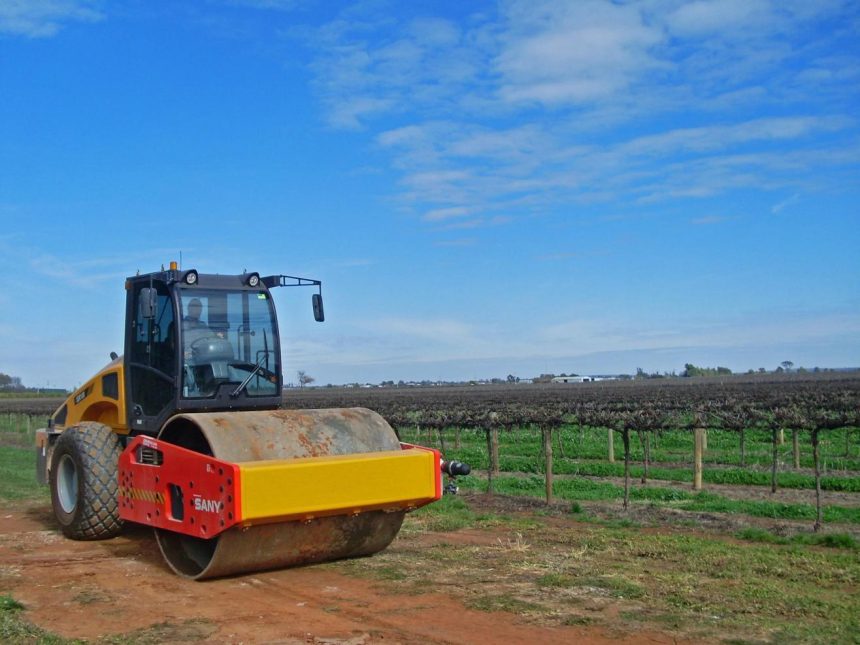
Road projects depend on strong, uniform compaction at every layer. Road rollers sit at the center of this task, turning loose soil, aggregates, and asphalt into a solid, long‑lasting structure. Their performance directly affects pavement density, smoothness, and resistance to rutting and cracking. Contractors who understand how weight, vibration, material type, and technology interact can reach target densities faster and with fewer passes. This improves productivity, lowers fuel use, and reduces the risk of premature pavement failure. Modern rollers offer far more than simple static weight; they combine adjustable vibration, advanced control systems, and intelligent compaction tools. By looking closely at machine settings, site conditions, and digital features, engineers and operators can fine‑tune performance for better quality and lifecycle cost.
Key Factors Affecting Road Roller Performance
Machine Weight, Drum Width, and Compaction Force
Machine weight, drum width, and compaction force work together to shape how deeply a road roller affects the layer. Higher operating weight increases contact pressure and helps reach target density in thicker lifts or stiffer materials. Drum width determines coverage; wider drums compact a larger area per pass, which boosts productivity on long straight sections but may reduce maneuverability in tight zones. Static linear load and dynamic compaction force show how much energy reaches the ground per centimeter of drum. Too little force leads to low density and later deformation. Too much force can crush aggregates, create hairline cracking, or push material sideways. Matching roller class, ballast configuration, and drum width to the layer thickness and material type gives a stable structure with fewer passes.
Vibration Frequency, Amplitude, and Operating Speed
Vibration settings control how a roller transfers energy into the material. Frequency is the number of vibrations per minute; high frequency suits thin asphalt lifts and granular materials, while lower frequency works better in deeper layers. Amplitude is the vertical movement of the drum; high amplitude delivers strong energy for thick or stiff layers, and low amplitude protects delicate mixes or surface courses. Operators must also coordinate forward speed with vibration to avoid bumps and resonance. If the roller moves too fast, impact spacing increases and leaves un-compacted spots. If it moves too slowly, material may overwork and segregate. Manufacturers publish recommended windows for frequency, amplitude, and speed. Following these guidelines and adjusting based on field test results improves uniformity and smoothness.
Material and Site Conditions
Soil Type, Moisture Content, and Aggregate Properties
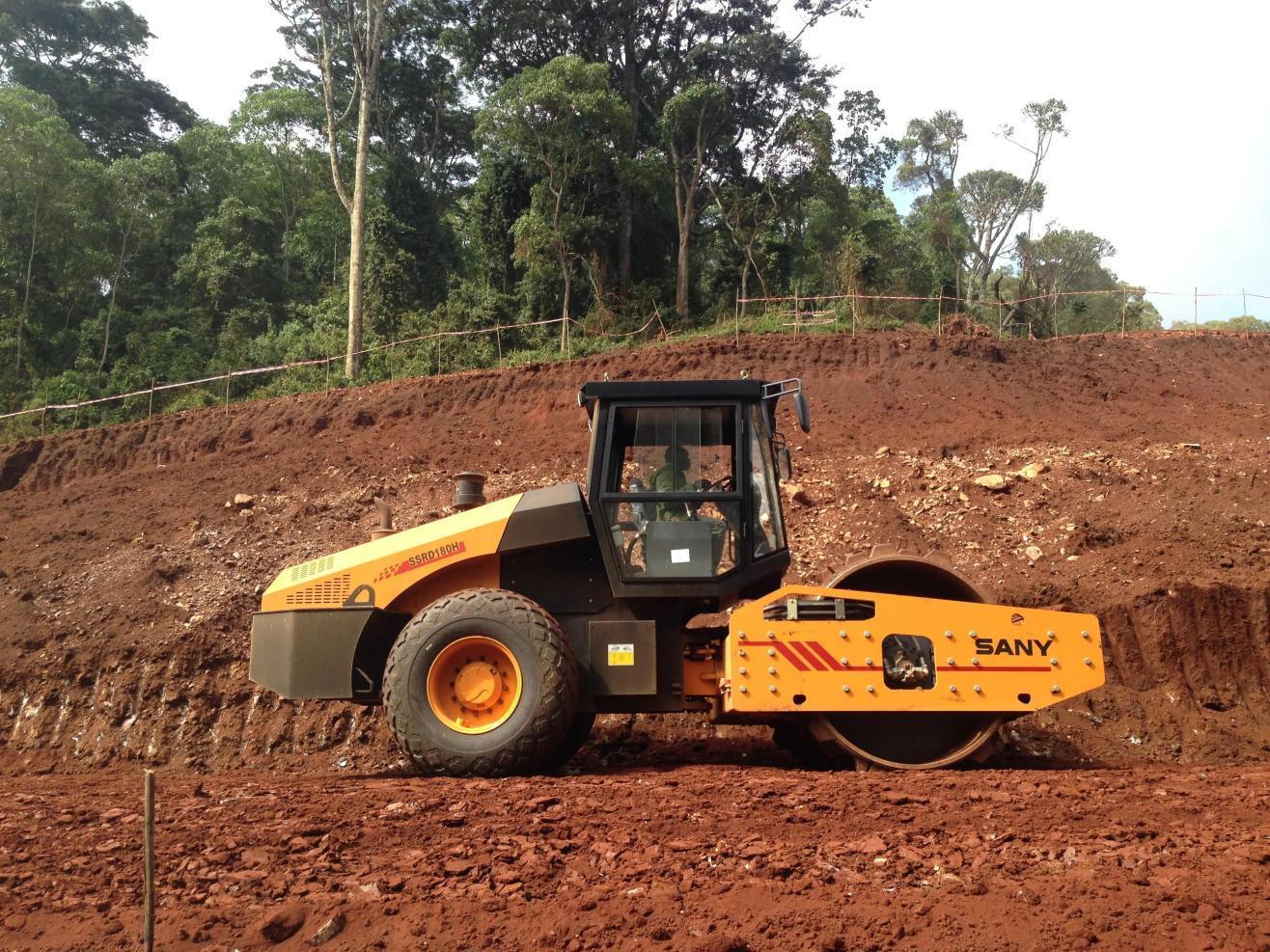
Soil behavior strongly influences roller performance. Cohesive clays respond best to sheepsfoot or padfoot drums and require moisture near optimum for good compaction. Too dry and the soil crumbles; too wet and it pumps and loses strength. Granular soils, like sands and gravels, compact well with vibratory smooth drums that rearrange particles into a dense matrix. Aggregate size, shape, and gradation also matter. Well‑graded blends compact faster and lock together, while gap‑graded material can bridge and hide weak zones. Field density tests, such as nuclear gauge or sand cone, verify results. Adjusting roller type, number of passes, and moisture conditioning to suit each soil layer helps prevent settlement and rutting.
Asphalt Temperature and Environmental Conditions
Asphalt temperature sets the workable time window for compaction. Mix that arrives too cold resists densification and traps voids; mix that is too hot can shove, crack, or bleed under the drum. Crews track mat temperature with infrared thermometers and plan rolling patterns to hit target ranges for breakdown, intermediate, and finish rolling. Wind, air temperature, and cloud cover accelerate or slow cooling, especially on thin lifts and at night. Base temperature and layer thickness further influence how long the mix stays compactable. Dust, soft subgrades, or water on the surface also hinder performance. Coordinating plant output, haul distance, paving speed, and roller timing with real weather conditions ensures consistent density across the whole project.
Advanced Technologies in Modern Road Rollers
Intelligent Compaction and Real-Time Monitoring
Intelligent compaction (IC) equips rollers with sensors, accelerometers, and onboard computers that track stiffness, pass counts, and machine settings in real time. These systems estimate compaction quality using indices such as compaction meter value or stiffness modulus. Operators see color‑coded maps on a display and can target soft spots before paving continues. IC reduces reliance on random spot tests and helps achieve more uniform layers. It also stores data for quality documentation and later analysis. Supervisors can review trends, compare sections, and adjust rolling patterns on the fly. When agencies require IC, contractors who use it effectively often finish with fewer corrective works, lower re‑rolling costs, and better performance bonuses tied to density.
GPS, Automation, and Smart Control Systems
GPS and smart control systems turn the roller into a precise, data‑driven tool. GNSS receivers track roller position and passes within centimeters, creating compaction maps that show where the machine has worked and where gaps remain. Automation can manage vibration on/off zones, prevent overlapping beyond edges, and keep the roller within predefined boundaries. Some systems adjust drum vibration or travel speed based on measured stiffness or set targets, reducing operator error. Fleet managers use telematics to monitor fuel use, idle time, and maintenance alerts, which improves uptime. When combined with 3D machine control and digital project models, rollers integrate smoothly into connected job sites and support more predictable project schedules and costs.
Conclusion
Road roller performance depends on a balance between machine capability, proper settings, and real field conditions. Weight, drum width, and vibration parameters must match the soil, aggregate, or asphalt layer to avoid under‑ or over‑compaction. At the same time, crews must manage moisture, mix temperature, and weather to stay within the best compaction window. Modern technology now gives operators and engineers powerful tools. Intelligent compaction, GPS tracking, and smart controls reveal what is happening under the drum in real time and across the entire project. By using this information to fine‑tune rolling patterns, reduce passes, and document quality, contractors can build smoother, stronger roads. Careful planning, trained operators, and data‑driven decisions turn rollers into a key driver of long‑term pavement performance.

Lynn Martelli is an editor at Readability. She received her MFA in Creative Writing from Antioch University and has worked as an editor for over 10 years. Lynn has edited a wide variety of books, including fiction, non-fiction, memoirs, and more. In her free time, Lynn enjoys reading, writing, and spending time with her family and friends.