

Choosing an electric bike involves more than comparing motor power and battery range. Wheel size can influence how a bike accelerates, handles turns, rolls over obstacles, and feels on different surfaces. For shoppers comparing a 20-inch and a 26-inch fat tire ebike, understanding these differences can make the buying process easier.
Both sizes have practical advantages. The right option depends on rider height, route conditions, storage space, and the type of riding you plan to do.
Why Wheel Size Matters
Wheel diameter affects how a bicycle responds to the ground beneath it. Smaller wheels are often associated with compact designs and responsive acceleration, while larger wheels can roll over certain obstacles more easily and maintain momentum well.
However, wheel diameter is only one part of the equation. Tire width, frame geometry, suspension, wheelbase, and overall bike weight also influence handling.
A 20-inch wheel with a wide four-inch tire, for example, can feel quite different from a narrow 20-inch commuter tire. Buyers should compare the complete wheel and tire setup rather than focusing on diameter alone.
20-Inch Fat-Tire E-Bikes: Compact and Responsive
A 20-inch e-bike often has a more compact wheel design. This can make it appealing for riders who prefer a smaller overall profile or a bike designed around maneuverability.
Potential advantages include:
- A compact appearance and frame layout
- Responsive handling at lower speeds
- Compatibility with many moped-inspired designs
- Wide tire options for additional surface contact
- Convenient proportions for certain storage arrangements
A smaller wheel may react more noticeably to potholes and sharp road edges than a larger wheel, depending on tire pressure and suspension. Riders should pay attention to the complete bike design.
26-Inch Fat-Tire E-Bikes: A Different Riding Feel
A 26-inch wheel offers a larger diameter than a 20-inch wheel. This can help a bike roll over some road imperfections and maintain momentum on longer, smoother routes.
Potential benefits include:
- A larger wheel profile
- A riding feel familiar to many traditional bicycle users
- The ability to roll over certain obstacles more smoothly
- Suitability for some taller frame designs
- A range of tire options for recreational and mixed-surface riding
A larger wheel does not automatically guarantee better comfort or stability. Frame geometry, tire pressure, suspension, and rider fit remain important.
Handling Differences: What Should Buyers Expect?
Wheel size can affect the way a bike responds during everyday riding.
A 20-inch wheel may feel quick to respond when changing direction, especially on a compact bike. A 26-inch wheel may feel more settled when maintaining speed on open roads, although the overall design determines the actual handling experience.
When comparing models, think about where you will ride:
City Streets and Short Trips
For shorter neighborhood journeys, frequent stops, and routes with tight turns, a compact 20-inch design may be appealing. Check how easily the bike turns, brakes, and fits into your storage area.
Longer Road Rides
For longer rides on smoother roads, some riders may prefer the rolling characteristics of a 26-inch design. Compare the seat position, frame size, and riding posture before deciding.
Gravel and Uneven Surfaces
For gravel, sand, or rough pavement, tire width and tread pattern matter considerably. Fat tires can provide a broad contact area, but correct tire pressure is essential. Suspension can also help manage vibration and impacts.
Tire Width Is Just as Important as Wheel Diameter
The term fat tire generally refers to a substantially wider tire than a conventional road or commuter bicycle tire. These tires can offer useful grip and a more cushioned feel when properly inflated for the rider and terrain.
Before buying, compare:
- Actual tire dimensions, such as 20 × 4 inches
- Tread pattern and intended surface
- Recommended tire pressure
- Puncture protection
- Availability and cost of replacement tires
- Clearance between the tire and frame
Remember that wider tires can create additional rolling resistance compared with narrower tires. This may affect battery consumption and pedaling effort.
Introducing the TST R002: A 20-Inch Fat-Tire Example
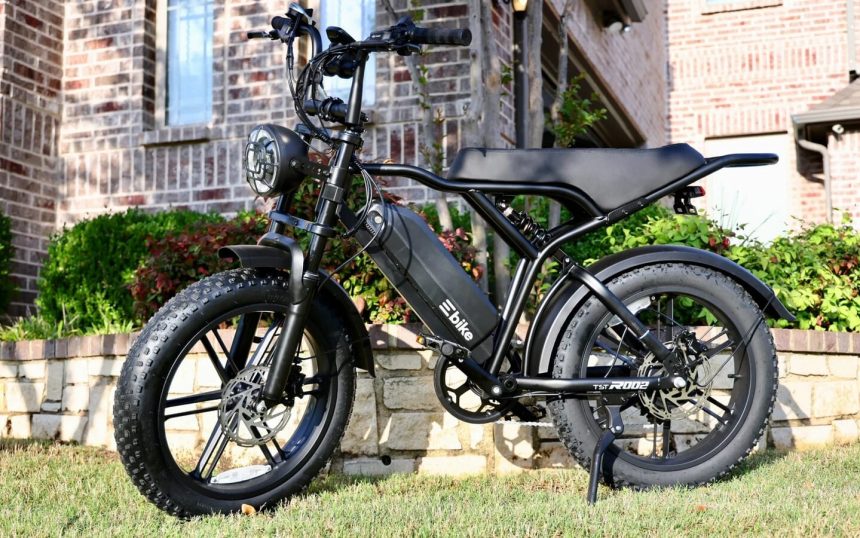
The TST R002 from TST Ebike provides a useful example of a 20-inch fat-tire electric bike. It combines a moped-style ebike design with wide tires and full suspension.
The official product listing specifies:
- 20 × 4-inch fat tires
- 1,500W Peak Motor Power (rear hub motor)
- 48V removable lithium battery in 15Ah or 25Ah options
- Manufacturer-stated range of up to 65–100 miles, depending on battery configuration
- Listed top speed of up to 32 mph
- Front and rear suspension
- 7-speed gear system
- Maximum listed load capacity of 450 pounds
Its wide tires are designed for use on different surfaces, including city streets, gravel, sand, and snow, according to the manufacturer. The front and rear suspension are intended to improve comfort over uneven terrain.
The R002’s moped-inspired styling and extended seat distinguish it from a conventional diamond-frame bicycle. It may interest shoppers who want the appearance of a moped style ebike while retaining functional pedals and a geared drivetrain.
Read the TST R002 product specifications or explore the wider TST moped-style e-bike collection.
What Else Should You Compare Before Buying?
Wheel size should never be the only deciding factor. A useful comparison should include the complete bike and its suitability for your needs.
Check these details:
- Rider fit: Review frame dimensions, saddle height, and handlebar reach.
- Suspension: Determine whether the bike has a front fork, rear shock, or both.
- Battery: Compare voltage, amp-hour capacity, removability, and charging time.
- Range: Treat advertised range as an estimate that varies with terrain, rider weight, speed, and assistance level.
- Brakes: Check the braking system and maintenance requirements.
- Bike weight: Make sure you can park, move, and store the bike safely.
- Local regulations: Confirm whether the motor power and top speed meet local e-bike rules.
The R002 is listed with 1,500W Peak Motor Power and a top speed of up to 32 mph. U.S. e-bike laws vary by state and locality, so buyers should confirm the model’s legal classification and permitted riding areas before purchasing.
Which Wheel Size Is Right for You?
A 20-inch fat-tire model may suit riders who prefer a compact design, responsive low-speed handling, and wide tires. A 26-inch option may appeal to those who prefer a larger wheel profile and the rolling characteristics it can provide.
Neither size is universally better. The most useful comparison is between complete bikes that fit your body, routes, storage arrangements, and riding expectations.
Take time to review the specifications, understand local regulations, and consider how you will use the bike throughout the week. A well-matched e-bike can make everyday trips and recreational rides more enjoyable.

Lynn Martelli is an editor at Readability. She received her MFA in Creative Writing from Antioch University and has worked as an editor for over 10 years. Lynn has edited a wide variety of books, including fiction, non-fiction, memoirs, and more. In her free time, Lynn enjoys reading, writing, and spending time with her family and friends.