

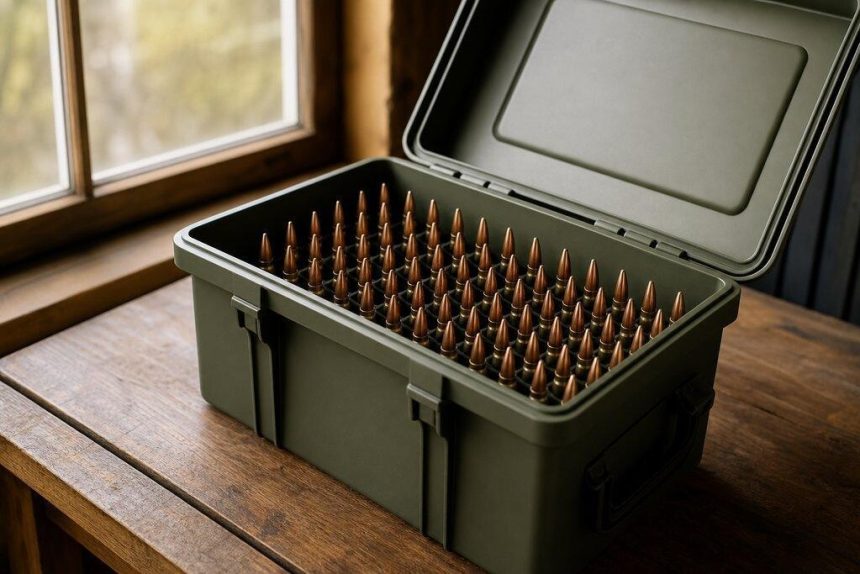
The type of ammo in a plastic bin can change based on what is coming up. There might be a deer hunter’s half-used cases of .308 and .30-06 practice ammo, where the cardboard tabs have been folded under the lid. Or a home range shooter’s 9mm cartons, stacked up next to some hearing protection and a roll of painter’s tape. A skeet shooter might just be hoping to find space for 12ga shells in the corner next to their gun safe, before the hunting season starts. Planning for the future makes the difference between an impulse buy at 10pm on a Friday night and a useful stash for later.
Free shipping can make a big difference if you need to build a significant amount of ammo to fill a gap in your supplies. But it’s important to know what’s going to go in the bin before you start adding to the cart.
Start with what’s on the calendar
Take out your range calendar, any upcoming classes, hunting schedules and notes from the previous year. Are you shooting a rifle in preparation for a hunt? Then you need that ammo loaded with the same bullet and powder you’ll take to the field later on. Is it a pistol for day-to-day training? Maybe you need a different supply for practice. Keeping these categories separate keeps you from having a shelf of mostly empty mismatched boxes.
A quick list will help you organize your needs:
- Practice ammo for scheduled range time
- Hunting ammo to load for testing and to take to the field
- Shotshell for any clay days you’ve got planned
- Replacement box in case yours gets opened
The question is how much you’re likely to shoot before the next restock, not how many cartons you can fit in a basket. A deal looks good until there isn’t enough money to pay for targets, patches, or a dead battery in a shot timer.
Let your storage space set the limit
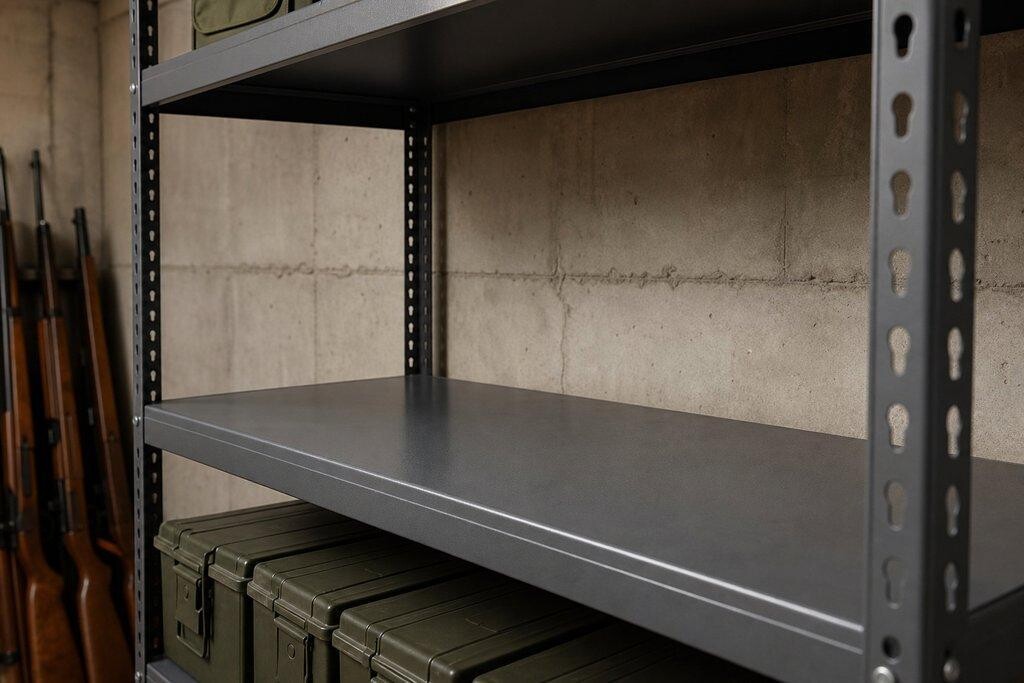
Before checking out, open your cabinet or ammo box and measure the available shelf space between the vertical supports. Metal cabinets can have a rear lip that interferes with the case edge, or plastic bins can sag if heavy cartons are stacked against the handle. The bottleneck is storage capacity: Ammunition should be kept secure, dry, and away from anything else you store, such as tools, solvents, or coffee-stained receipts.
You should also consider whether a large shipment will be easy to transport and store. A full case is unwieldy on a top shelf, particularly if the cabinet door sticks slightly and doesn’t open all the way. Heavier cartons should be placed low in the box, with labels facing outward, leaving enough room to see what you have.
A discount is only worth it if you can easily access the ammo in the package.
Free shipping could make a large order more affordable since you can calculate the total cost of each case size more easily; Buy Ammo Online with Free Shipping from AmmoMan.com is the page that matches this. But the biggest box isn’t always the best choice. If you only have room for a few months’ worth of ammo, ordering less can save you room for another kind of ammo you’ll need further down the line.
Check the delivery rules first
The rules for deliveries differ from place to place and should be looked at before you provide payment information. Some items may not be deliverable to certain places, some require a signature upon receipt and others can’t be sent to PO boxes or similar addresses. A crookedly placed shipping label is annoying, but a missed delivery is a bigger hassle.
Check the shipping restrictions of the store and any other local regulations to make sure your order will get where it’s supposed to go. If you’re going to be gone while the ammo is delivered, don’t leave a large box sitting on your porch or in a communal mailbox. Your plans should encompass moving the ammo from the door to the storage area, not just buying the ammo.
When ordering for your precision rifles or defensive ammunition, keep track of the lot number that comes with your order. Sometimes the performance of different lots may vary slightly. Do a quick function and zero test on a couple rounds from the new lot and store the rest if all is well.
Put the reserve into rotation
When your new ammo is put away, label the outside of each box with what it will be used for and put older stock in the front. A strip of masking tape on the lid of your bin can help you remember which ammo is designated for practice and which is meant for the hunt or competition.
Before you get too busy, make sure to count your open boxes, check your cabinet space and note your next range visit.

Lynn Martelli is an editor at Readability. She received her MFA in Creative Writing from Antioch University and has worked as an editor for over 10 years. Lynn has edited a wide variety of books, including fiction, non-fiction, memoirs, and more. In her free time, Lynn enjoys reading, writing, and spending time with her family and friends.