Every 11 seconds, someone in the United States requires emergency room treatment for an unintentional injury at home, according to the National Safety Council‘s 2024 injury report. What makes these statistics particularly striking isn’t just their frequency — it’s that the vast majority of these incidents could have been prevented through relatively simple environmental modifications and awareness. For those who experience serious injuries despite taking precautions, it may be important to get legal help from an injury lawyer to understand your rights and pursue appropriate compensation.
The modern home presents a unique paradox. While today’s households benefit from safer building materials and improved product standards compared to previous decades, our living spaces have simultaneously become more complex. Open floor plans, multi-level designs, and the proliferation of electronic devices create new hazard patterns that weren’t considerations in traditional home safety frameworks. Add to this the reality that people are spending significantly more time at home post-pandemic, and the stakes for creating genuinely safe domestic environments have never been higher.
The gap between awareness and action remains substantial. Most families recognize that preventing injuries at home matters, yet few systematically evaluate their living spaces or implement modifications beyond the most obvious safety measures. Understanding how environmental factors contribute to injury risk — and knowing which interventions actually make a measurable difference — transforms home safety from a collection of good intentions into a practical, achievable goal.
Why Home Injury Prevention Is More Important Than Ever
The landscape of home injuries has shifted dramatically over the past decade, driven by demographic changes that are reshaping who lives at home and for how long. Census data shows that multi-generational households have increased by nearly 30% since 2010, meaning more homes now accommodate children, working adults, and elderly family members simultaneously. Each group brings distinct vulnerabilities, creating layered safety challenges that traditional approaches weren’t designed to address.
Age-related injury patterns tell a compelling story about why prevention demands attention now. Falls remain the leading cause of injury-related death for adults over 65, with most occurring in familiar home environments rather than unfamiliar spaces. Meanwhile, children under five experience the highest rates of non-fatal home injuries, particularly from poisoning, burns, and falls. When these populations share living spaces, safety modifications must account for competing needs — child-resistant features that don’t impede elderly mobility, lighting that prevents falls without creating glare, storage solutions that protect both curious toddlers and adults with vision changes.
The economic implications extend far beyond immediate medical costs. Home injuries among working adults result in an average of 11 missed workdays per incident, while elderly fall injuries frequently trigger a cascade of complications that can permanently alter independence levels. For families already managing healthcare expenses, the financial impact of preventable home injuries can be devastating.
Perhaps most significantly, the traditional assumption that homes are inherently safe spaces is being challenged by evolving living patterns. Remote work means adults spend more active hours navigating home environments previously used primarily for rest and basic daily activities. Children’s schedules have shifted toward more unsupervised time at home. These changes expose household members to injury risks during periods when they historically would have been in other, more regulated environments.
The intersection of modern stressors and home injury risk creates additional urgency. Financial pressure, caregiver fatigue, and general life complexity can reduce attention to environmental hazards that might have been noticed and addressed during less demanding periods. When families are stretched thin, implementing systematic safety measures becomes both more difficult and more essential.
How the Home Environment Increases Injury Risks
Environmental Hazards and Their Impact
The physical characteristics of home environments create injury risk through mechanisms that often operate below conscious awareness. Poor lighting tops the list of contributing factors, particularly during transition periods when eyes adjust between different illumination levels. Stairways with inadequate lighting account for a disproportionate number of fall injuries, but the risk extends beyond obvious high-hazard areas. Bathrooms with insufficient task lighting, kitchens where countertop work areas remain shadowed, and hallways that rely solely on ambient light all contribute to spatial misjudgments that lead to trips, slips, and collisions.
Clutter and storage patterns significantly amplify baseline injury risks by creating unpredictable navigation challenges. Items stored on stairs, even temporarily, increase fall risk exponentially because they disrupt established movement patterns that people rely on for stability. Similarly, electrical cords running across walkways don’t just create tripping hazards — they condition household members to constantly scan for obstacles, which paradoxically increases the likelihood of missing other environmental dangers.
Flooring choices interact with injury risk in ways that extend beyond obvious slip-and-fall concerns. Highly polished surfaces become particularly hazardous when combined with moisture, but textural inconsistencies between rooms can also trigger missteps. Area rugs without proper backing create sliding hazards, while thick carpeting can catch feet and contribute to stumbling, particularly for individuals with mobility changes.
Temperature variations within homes create additional hazard layers. Rooms that become overheated can contribute to dizziness and decreased awareness, while cold areas may reduce dexterity and reaction times. These factors become particularly relevant for household members taking medications that affect temperature regulation or circulation.
How Home Design Influences Safety
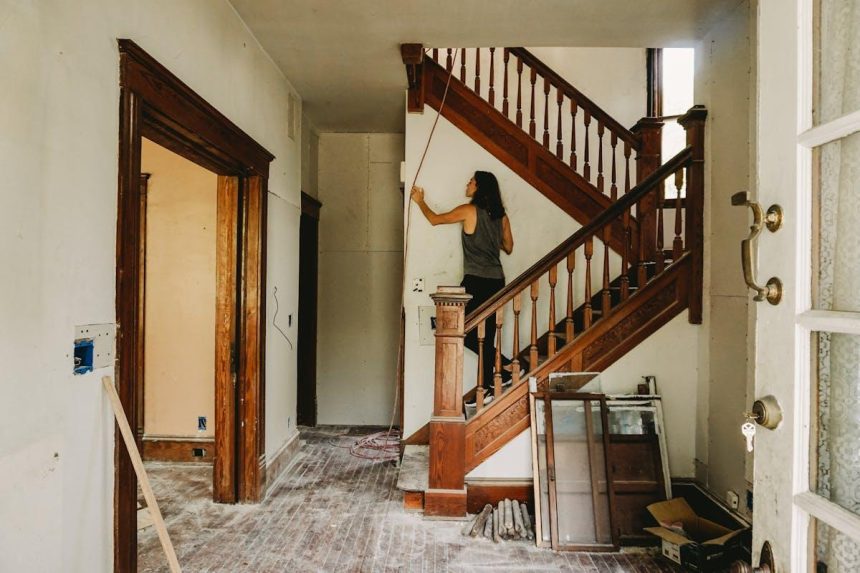
Architectural features embedded during construction often determine injury risk patterns for decades. Stair design represents the most obvious example — inconsistent riser heights, inadequate handrail placement, and insufficient tread depth create cumulative fall risks that compound over time. However, less apparent design factors can be equally influential.
Room layouts that force frequent direction changes or require navigation around fixed obstacles increase collision and fall risks, particularly during periods of distraction or urgency. Open-concept designs, while popular for their aesthetic and social benefits, can create sightline challenges that make it difficult to monitor activities in adjacent areas — a particular concern in households with young children or individuals who require supervision.
Window placement and operation mechanisms affect both injury prevention and emergency egress. Windows that require significant force to open can delay emergency evacuation, while those positioned at unsafe heights create fall risks during routine operation. Similarly, door swings that open into high-traffic areas or dark spaces increase collision potential.
Built-in storage solutions influence safety through both their presence and absence. Homes lacking adequate storage force families to use stairs, floors, and furniture tops for temporary item placement, creating constantly shifting obstacle patterns. Conversely, poorly designed built-in storage — such as cabinets with doors that swing into walkways or shelving positioned at awkward heights — can create permanent hazard zones.
Material selections throughout the home affect injury severity when accidents do occur. Hard surface materials in fall-prone areas increase the consequences of trips and slips, while sharp edges on built-in features create additional injury potential during routine navigation.
Effective Modifications and Safety Measures to Prevent Accidents
Fall prevention modifications deliver the highest return on safety investment, particularly interventions that address multiple risk factors simultaneously. Installing adequate lighting with multiple switch locations eliminates the need to navigate dark areas while searching for illumination. Motion-activated lighting in hallways, bathrooms, and staircases provides automatic environmental adaptation without requiring conscious activation during vulnerable periods like nighttime bathroom trips.
Handrail installation and improvement represents another high-impact intervention. Proper handrails extend beyond the top and bottom steps, use materials that provide secure grip in various weather conditions, and position at heights accessible to all household members. For maximum effectiveness, handrails should be installed on both sides of staircases wider than 36 inches and in bathroom areas where balance support becomes critical.
Fire safety modifications require systematic attention to both prevention and response capabilities. Smoke detector placement follows specific guidelines that optimize early detection while minimizing false alarms that lead to disconnection. Beyond basic installation, effective fire safety includes establishing clear escape routes from each room, positioning fire extinguishers in locations where they’re accessible during emergencies, and ensuring that security features don’t impede rapid evacuation.
Storage modifications that prioritize accessibility and safety can eliminate numerous injury scenarios. Frequently used items belong at easily reachable heights, while hazardous substances require secure storage that prevents both accidental contact and unauthorized access. The challenge lies in creating storage systems that accommodate changing household needs without constant reorganization.
Bathroom safety modifications address the reality that this environment combines hard surfaces, moisture, and frequent position changes in ways that create perfect conditions for serious injuries. Beyond obvious interventions like grab bars and non-slip surfaces, effective bathroom safety includes adequate task lighting, easily accessible emergency communication methods, and temperature controls that prevent scalding while maintaining comfort.
Kitchen modifications focus on both acute injury prevention and long-term safety patterns. When someone faces serious injuries due to accidents in the home, they often need comprehensive support that goes beyond medical treatment — particularly when navigating insurance claims, liability questions, and the complex aftermath of what seemed like a simple household incident, which is where specialized support to get legal help from an injury lawyer becomes crucial for protecting both immediate and long-term interests. Proper knife storage, secure pot handle positioning, and strategic placement of cleaning supplies create systematic safety improvements that reduce both the likelihood and severity of kitchen-related injuries.
How Safety Needs Differ Among Household Members
Childproofing and Pediatric Considerations
Children’s developmental stages create distinctly different safety requirements that evolve rapidly and often unpredictably. Toddlers between 18 months and three years present unique challenges because their mobility capabilities consistently exceed their hazard recognition abilities. Standard childproofing measures like cabinet locks and outlet covers address obvious dangers but miss more subtle risks like furniture tip-over potential and small object accessibility.
Window safety represents a critical area where child-specific modifications can prevent devastating injuries. Window guards and stops that prevent openings larger than four inches eliminate fall risks while maintaining emergency egress for adults. However, effective window safety also requires attention to furniture placement that might provide climbing access and blind cord elimination that prevents strangulation hazards.
Poisoning prevention extends far beyond traditional cabinet locks to include systematic attention to everyday items that pose toxicity risks. Medications, cleaning products, and even personal care items require storage approaches that account for children’s problem-solving capabilities. Many families discover that determined toddlers can defeat standard childproof containers, making physical inaccessibility more reliable than mechanical barriers alone.
Kitchen childproofing requires balancing safety with the reality that family meal preparation continues regardless of young children’s presence. Stove locks, sharp object storage, and strategic appliance positioning create layers of protection that accommodate normal household routines while preventing access during unsupervised moments.
Safety Strategies for Older Adults
Older adults face injury risks that differ fundamentally from other household members, requiring modifications that address age-related changes in vision, balance, mobility, and medication effects. Fall prevention for seniors emphasizes environmental predictability and support availability rather than restriction-based approaches used for child safety.
Bathroom modifications for older adults often determine whether aging in place remains viable. Beyond grab bars and non-slip surfaces, effective senior bathroom safety includes raised toilet seats, accessible storage, and lighting systems that accommodate vision changes without creating glare. Shower modifications like built-in seating and hand-held shower heads reduce fall risk during vulnerable activities.
Medication management safety becomes increasingly complex as prescription regimens expand and cognitive changes affect routine adherence. Secure storage systems that prevent accidental overdoses while ensuring accessibility for prescribed schedules require careful planning. Additionally, medication effects on balance, awareness, and coordination create environmental hazards that might not affect other household members.
Lighting modifications for older adults address both decreased visual acuity and increased recovery time from glare exposure. Strategic placement of task lighting, elimination of dramatic light transitions, and provision of backup lighting during power outages create environmental consistency that supports confident navigation.
Importance of Regular Home Inspections and Maintenance for Safety
The most sophisticated safety modifications lose effectiveness without systematic maintenance and periodic reassessment. Smoke detector functionality provides the clearest example — devices that aren’t regularly tested and maintained offer false security that can prove deadly during actual emergencies. Effective inspection schedules address both obvious maintenance needs and subtle environmental changes that affect safety over time.
Seasonal safety inspections reveal hazards that develop gradually and might otherwise escape notice. Winter assessments focus on heating system safety, ice management, and emergency preparedness, while summer inspections emphasize cooling system maintenance, outdoor safety features, and humidity-related issues that affect indoor air quality and slip resistance.
Electrical system maintenance prevents both immediate shock hazards and longer-term fire risks. Regular assessment of outlet functionality, cord condition, and circuit capacity ensures that increasing electronic demands don’t exceed system capabilities. Ground fault circuit interrupter testing in bathrooms and kitchens provides ongoing protection against electrical injuries in moisture-prone areas.
Structural maintenance that affects safety includes attention to stair stability, handrail security, and flooring condition. Small changes like loose carpet edges or wobbly handrails can transform previously safe areas into injury risks. Regular assessment allows for preventive repairs before minor issues become major hazards.
The most effective safety maintenance involves household members in ongoing hazard identification rather than relying solely on formal inspection schedules. Creating awareness of environmental changes and establishing simple reporting systems helps ensure that emerging safety concerns receive attention before they contribute to injuries. This participatory approach acknowledges that home safety depends on sustained attention rather than one-time improvements, creating household cultures where preventing injuries at home becomes an integrated part of daily living rather than an occasional concern.

Lynn Martelli is an editor at Readability. She received her MFA in Creative Writing from Antioch University and has worked as an editor for over 10 years. Lynn has edited a wide variety of books, including fiction, non-fiction, memoirs, and more. In her free time, Lynn enjoys reading, writing, and spending time with her family and friends.