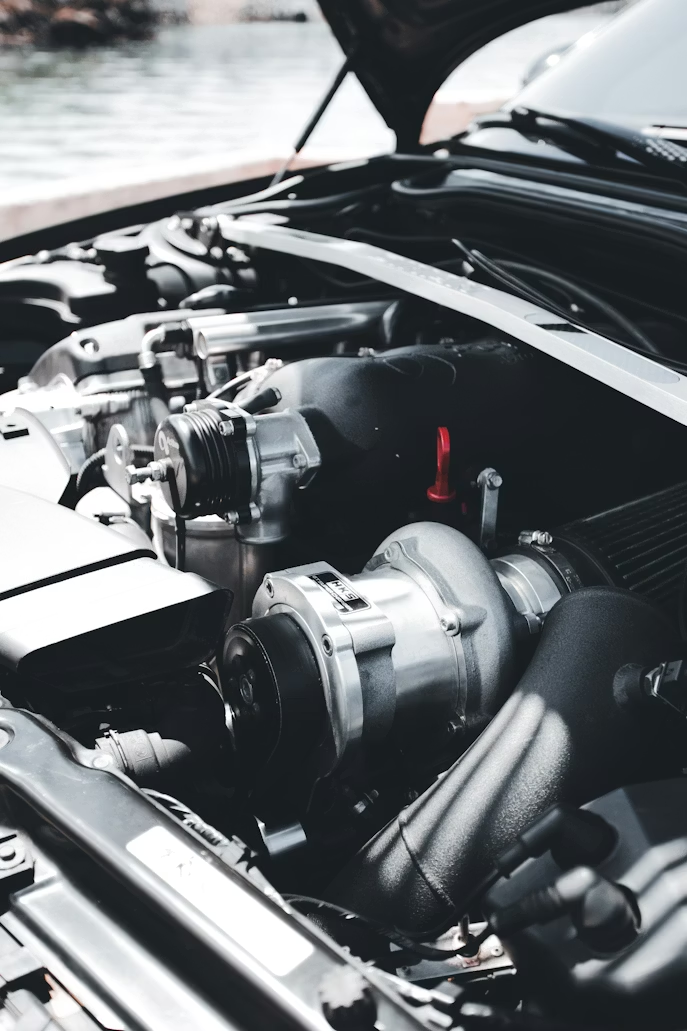
Choosing the right engine for a heavy-duty truck or a work vehicle involves looking at more than the initial price tag. Many drivers prefer diesel power for its unique strength and long-term value. These engines handle tough jobs that might wear out a standard gasoline motor quickly. Understanding the mechanics of compression ignition helps explain why these powerhouses remain the standard for towing and hauling. Whether you are buying a new rig or keeping an old one running, the benefits of diesel technology are hard to ignore.
Energy Density and Fuel Economy
Diesel fuel packs more energy into every gallon compared to standard gasoline. This high energy density means the engine extracts more work from the same amount of liquid. A government report on green vehicles mentions that this trait leads to better fuel economy for drivers on the road. When you spend less time at the pump, your daily operating costs drop significantly.
The way these engines burn fuel is the secret to their efficiency. They use high compression ratios to ignite the mixture without needing spark plugs. This process ensures that almost every drop of fuel converts into forward motion. Over a year of driving, these small savings at the pump add up to thousands of dollars in your pocket.
Massive Torque for Heavy Loads
People buy diesel trucks for their ability to pull trailers and carry heavy equipment. The design of the cylinders and the stroke of the pistons creates incredible rotational force. One recent technical update showed that certain high-output 6.7L engines can produce 1,075 lb-ft of torque. This level of power allows a vehicle to maintain speed on steep hills without breaking a sweat.
Gasoline engines often struggle when the weight in the back increases. They have to rev high to find their power, which puts stress on the internal parts. Diesel motors stay in a lower RPM range where they are most comfortable. This low-end grunt makes merging onto a highway with a trailer much safer and more predictable.
Engine Durability and Rebuild Potential
Diesel engines are built with heavy-duty blocks and internal parts to handle high pressure. When an engine eventually reaches the end of its life, owners have several paths to take. Looking at Cummins 6.7L long block replacement options is a smart way to restore a truck without buying a brand-new vehicle. This approach saves money and keeps a reliable chassis on the road for another decade.
The internal components, like crankshafts and connecting rods, are much beefier than those in gasoline cars. This extra metal helps the engine resist heat and friction over hundreds of thousands of miles. Most diesel owners expect their trucks to last twice as long as a standard light-duty vehicle. Investing in a solid block ensures the heart of the truck remains strong through years of abuse.
Thermal Efficiency Advantages
Efficiency is not just about fuel mileage – it is about how well the engine manages heat. Diesel units are designed to be about 20% more thermally efficient than their gas counterparts. A training school blog explains that this efficiency boost translates directly into a 20% increase in overall fuel economy. Less energy is wasted as heat escaping through the radiator or exhaust pipe.
- High compression ratios squeeze the air until it is hot enough to burn fuel.
- Direct injection systems spray fuel at exactly the right moment for a clean burn.
- Turbochargers force more oxygen into the chamber to increase power without using more fuel.
Improving Emissions Standards
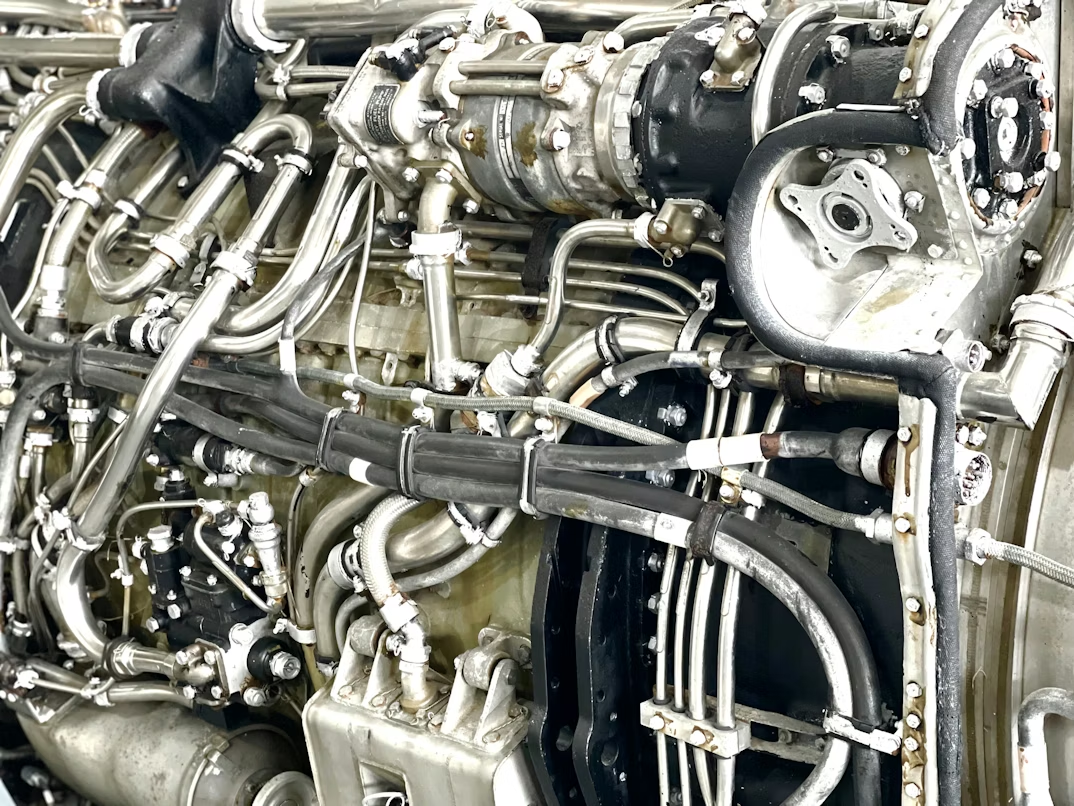
Environmental impact is a major focus for engineers designing new powertrains. Since 2019, the emission intensity of new trucks has dropped by roughly 14% across the industry. A report from the Department of Energy credits these improvements to better operational measures and the use of cleaner fuels. Diesel Exhaust Fluid (DEF) and particulate filters have cleaned up the tailpipe significantly.
- Particulate filters trap soot before it leaves the exhaust system.
- Selective Catalytic Reduction (SCR) turns harmful gases into nitrogen and water.
- EGR systems recirculate exhaust to lower combustion temperatures.
The Global Future of Transport
Despite the rise of electric vehicles, diesel remains the backbone of the global economy. Experts expect that heavy-duty truck activity will more than double by the year 2050. A report on decarbonizing transport says this growth makes efficient engines more important than ever. We need reliable ways to move food, fuel, and materials over long distances where batteries might struggle.
The infrastructure for diesel is already in place across the planet. You can find a high-flow pump at almost any truck stop or rural gas station. This accessibility is vital for long-haul drivers who cannot wait hours for a battery to charge. Diesel provides a level of freedom and reliability that new technologies are still trying to match.
Regulatory Changes and Market Shifts
Governments around the world are constantly updating their rules for internal combustion engines. Some regions have discussed bringing back bans on certain engine sales as early as 2030. An advice site mentioned that recent political shifts in the UK could lead to a faster phase-out of traditional fuels. Owners should stay informed about local laws that might affect their registration or taxes.
Even with these changes, the demand for used diesel trucks remains high. Industries like construction and agriculture cannot function without the torque these engines provide. As long as there are heavy loads to move, there will be a place for diesel technology.
Trends in Vehicle Weight and Power
Modern vehicles are getting heavier and more powerful every year. A trends report from the EPA shows that without electric options, average vehicle weight and power would look much different. New trucks are being built to handle the extra mass of safety equipment and luxury features. Diesel engines provide the necessary muscle to move these larger vehicles without sacrificing performance.
Larger footprints and heavier frames require an engine that does not shy away from a challenge. A gas engine might feel sluggish when asked to move a 3-ton pickup truck. The diesel alternative provides a snappy response and plenty of passing power on the highway.
Maintaining a diesel vehicle requires a commitment to quality parts and regular service. Changing the oil and fuel filters on time prevents expensive repairs down the road. These engines are built to work, and they do it better than almost anything else on the market.

Lynn Martelli is an editor at Readability. She received her MFA in Creative Writing from Antioch University and has worked as an editor for over 10 years. Lynn has edited a wide variety of books, including fiction, non-fiction, memoirs, and more. In her free time, Lynn enjoys reading, writing, and spending time with her family and friends.