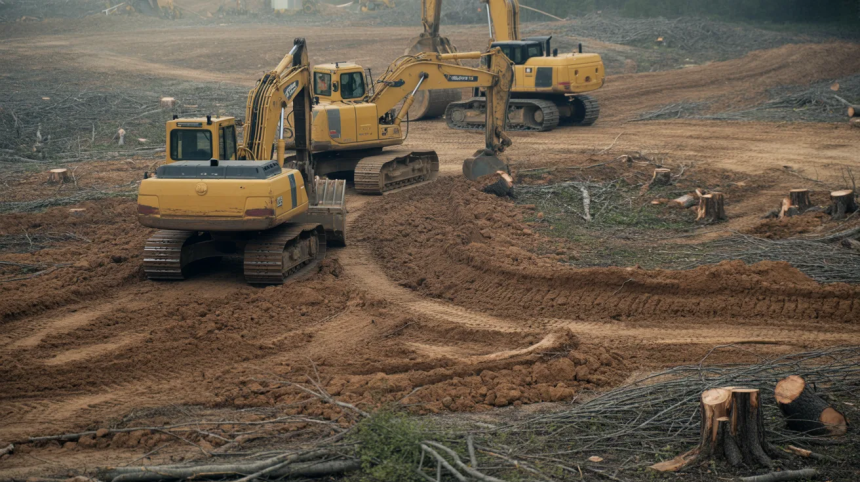
At first glance, a piece of land can seem easy enough to deal with. Then you step onto it and things change quickly. There’s thick brush in one corner, uneven patches under your feet, maybe a stump you didn’t notice at first. It stops feeling simple pretty fast. That’s when it becomes clear this kind of work needs more than just effort, it needs the right approach.
Most crews, early in the process, depend on a land clearing machine to get things moving. It’s not about perfection. It is about getting through the bulk of the job without slowing everything else down. It is tough to imagine doing it the old way again, especially after you have seen and experience how much time it saves.
Why Site Preparation Sets the Tone
There’s a tendency to want to move fast at the start, but site prep doesn’t really work like that. Most crews learn this after a few tough projects. If the ground isn’t properly cleared or leveled, things start slipping later. Timelines stretch, costs creep in, and sometimes equipment just sits there waiting longer than expected.
Think of it like this:
- Uneven land affects machine movement
- Leftover debris slows down the next steps
- Poor prep creates safety risks
It’s not the most exciting part of a project, but it’s the part that quietly decides how smooth things will go.
What Crews Actually Deal With On-Site
On paper, land clearing sounds simple. On-site, it’s a different story.
You’ll often run into:
- Brush that’s thicker than expected
- Roots that don’t come out easily
- Random debris hidden under growth
- Wet or soft soil that makes movement tricky
And then there’s the repetition. Clear one section, move to the next, come back and realize something was missed. It happens more often than people admit.
How Equipment Is Changing the Workflow
Things have shifted over time. It’s no longer just about cutting and pushing material aside. Now, machines are expected to handle more in fewer steps.
Some setups allow operators to:
- Cut vegetation
- Move debris
- Level smaller sections
All without switching equipment again and again. That kind of workflow saves time, but more importantly, it reduces the stop-start cycle that slows everything down. Once the pace is steady, the whole site starts to feel more manageable.
Choosing What Works (Not What Looks Good)
Picking equipment isn’t always about going bigger or newer. Most experienced operators think differently.
They usually look at:
- Ground conditions – soft, rocky, sloped
- Type of growth – light brush or heavy vegetation
- Area size – small plot vs large stretch
- Ease of use – because complicated setups slow things down
There’s no perfect machine for every situation. It’s more about what works consistently without creating extra problems.
What’s Changing in Equipment Design
Over time, machines have started reflecting real on-site needs. Not theory, actual usage.
You’ll notice:
- Better durability (less breakdown mid-job)
- More flexible attachments
- Reduced need to switch tools constantly
Operators don’t always talk about it in technical terms. They just say things like, “This one saves time,” or “This setup feels easier.” And that says a lot.
Why Efficiency Isn’t Just About Speed
Finishing faster is great, but that’s not the only benefit.
A smoother workflow means:
- Less physical strain on workers
- Fewer chances of mistakes
- More predictable progress
For example, clearing a path for utilities becomes less risky when debris is handled properly the first time. No double work, no unexpected delays. Just steady progress. Even smaller projects benefit. A landowner preparing a plot for planting might not think about efficiency at first, but once the work starts, it becomes obvious.
Where the Role of Machines Stands Today
There’s a noticeable shift in how work gets planned. Crews are not just reacting to problems; they are thinking ahead.
A land clearing machine now fits into that planning stage. It’s not just about clearing what’s there, but about preparing the site in a way that avoids issues later. And that’s probably the biggest change: less guesswork, more control over how things move forward.
Conclusion
Land clearing does leave its mark on the rest of the job, as it is the beginning of any job site work. There is less to fix later if the site is well prepared, machines move better, and workflows are without too many interruptions.
As equipment keeps improving, the focus hasn’t really changed. It’s still about making the work easier to deal with and a little more predictable. Companies like Fecon seem to be moving in that direction, shaping their equipment around real job conditions. Exploring different options out there can help you approach land clearing with a bit more clarity.
______________________________________________________________________________

Lynn Martelli is an editor at Readability. She received her MFA in Creative Writing from Antioch University and has worked as an editor for over 10 years. Lynn has edited a wide variety of books, including fiction, non-fiction, memoirs, and more. In her free time, Lynn enjoys reading, writing, and spending time with her family and friends.