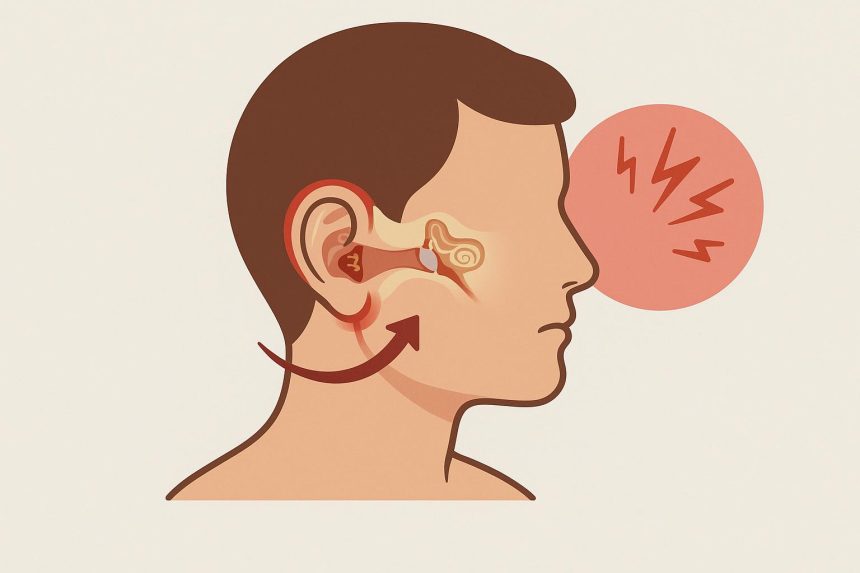
Ear infections are a common health issue that can affect both children and adults, and they often cause more than just ear discomfort. The infection leads to inflammation and fluid buildup in the middle or inner ear, which increases pressure on surrounding nerves and tissues. This pressure can radiate to the head, resulting in headaches, a feeling of fullness, or throbbing pain. Understanding the connection between ear infections and head pain is crucial for recognizing symptoms early and seeking proper care.
If symptoms become severe, visiting an Amarillo emergency room can provide prompt evaluation and treatment.
The Link Between Ear Infections and Head Pain
Ear infections can cause head pain because the ear, particularly the middle and inner ear, is closely connected to cranial nerves and surrounding tissues. Inflammation and fluid buildup from an infection create pressure that can radiate into the head, causing headaches, a feeling of fullness, or throbbing pain. Additionally, congestion, swelling, and irritation of nerves during an ear infection can intensify head discomfort, making it important to address the infection promptly to relieve pain.
If the pain becomes severe or persistent, visiting an emergency room near me can provide immediate evaluation and treatment.
Causes of Head Pain from an Ear Infection
Head pain from an ear infection occurs primarily due to pressure, inflammation, and irritation of nerves connected to the ear. The main causes include:
- Middle Ear Infections (Otitis Media): When the middle ear becomes infected, fluid and pus can build up behind the eardrum. This causes increased pressure that stretches the eardrum and surrounding tissues, which can radiate as pain into the head and temples.
- Inner Ear Infections (Labyrinthitis): Infections in the inner ear can affect both balance and hearing. The inner ear is closely connected to cranial nerves, and inflammation in this area can lead to intense headaches, dizziness, and nausea. If symptoms are severe, it’s important to seek care at an Exceptional emergency center.
- Inflammation of Ear Tissues: Infection triggers the immune system, causing swelling of the ear canal and surrounding tissues. This inflammation can press on nerves and lead to a throbbing or sharp headache.
- Sinus Congestion and Pressure: Ear infections often accompany sinus infections or congestion. The sinuses and middle ear are connected, so blocked sinus passages can increase pressure in the head, intensifying headaches.
- Referred Pain: The nerves that supply the ear are connected to the jaw, neck, and head. Infections can irritate these nerves, causing referred pain that feels like a headache rather than localized ear pain.
- Eustachian Tube Dysfunction: The eustachian tube connects the middle ear to the back of the throat to equalize pressure. During an infection, this tube can become blocked, leading to fluid buildup, pressure, and resultant head pain.
Understanding these causes helps explain why ear infections are not just localized to the ear they can affect surrounding areas and cause significant head discomfort.
How to Treat Head Pain from an Ear Infection
Managing head pain caused by an ear infection involves relieving inflammation, reducing pressure, and addressing the underlying cause. Early treatment can help prevent the condition from worsening and improve comfort quickly.
- Medications: Over-the-counter pain relievers like acetaminophen or ibuprofen can reduce pain and inflammation, but should only be used when recommended by a doctor.
- Warm Compress: Applying a warm cloth or compress over the affected ear can help relieve discomfort and ease pressure.
- Rest and Hydration: Adequate rest and fluids support your immune system in fighting the infection and promote faster recovery.
- Decongestants or Nasal Sprays: If sinus congestion is contributing to pressure, these may provide relief by opening up blocked passages.
- Follow-up Care: Persistent infections or recurrent ear issues require medical evaluation to prevent complications like hearing loss or chronic infections.
When to Go the ER
Although many ear infections improve with basic care, some symptoms may indicate a more serious condition that requires prompt medical evaluation. Recognizing these warning signs early can help prevent complications and ensure effective treatment.
- Severe or worsening head or ear pain: Intense pain that does not improve may signal a deeper or spreading infection.
- High fever or persistent vomiting: These symptoms can indicate the body is struggling to fight the infection and needs medical attention.
- Fluid or pus draining from the ear: Discharge may be a sign of a ruptured eardrum or advanced infection.
- Hearing loss or ringing in the ears: Changes in hearing should not be ignored, as they may become permanent if untreated.
- Dizziness or balance problems: These symptoms may suggest the infection is affecting the inner ear.

Lynn Martelli is an editor at Readability. She received her MFA in Creative Writing from Antioch University and has worked as an editor for over 10 years. Lynn has edited a wide variety of books, including fiction, non-fiction, memoirs, and more. In her free time, Lynn enjoys reading, writing, and spending time with her family and friends.