Many organisations face unexpected incidents that lead to financial stress, operational setbacks, and strained relationships with the communities they serve. These situations usually arise when accidents occur on premises or when distributed goods cause unintended harm, prompting significant concern for those responsible. A thoughtful safety plan reduces issues, yet unforeseen events still emerge and require structured protection to handle them effectively.
This is where public and product liability insurance becomes essential, offering a safeguard when unpredictable circumstances lead to costly claims. Such protection helps businesses operate confidently while staying prepared for challenges involving customers or distributed goods. This article will reveal the most frequent claim types and highlight why they matter in a practical, grounded way.
Injury Cases Triggered by Premises Hazards
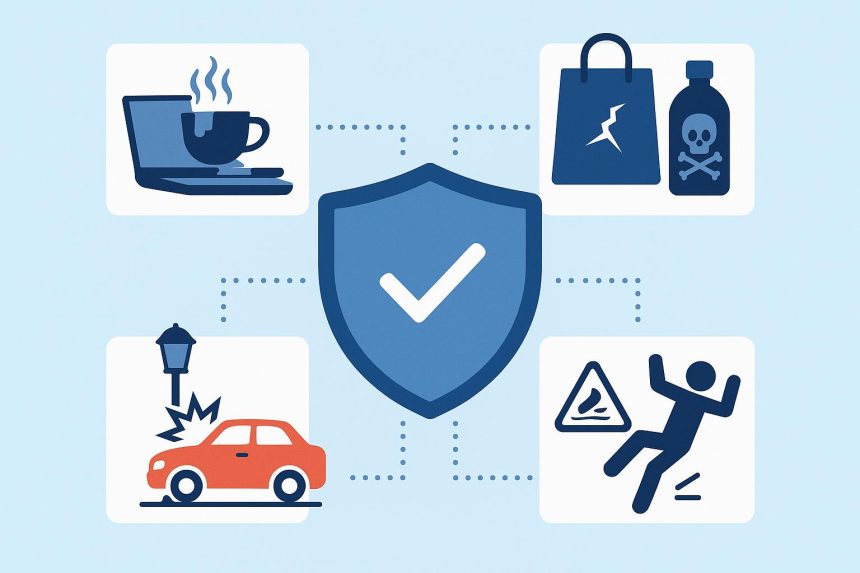
Injury claims arise when individuals encounter unsafe conditions within commercial spaces that create unexpected harm. Many incidents stem from floor spills, uneven surfaces, or poorly marked obstacles that lead to falls or collisions. These situations frequently generate substantial costs due to medical attention, legal action, and operational disruptions.
Businesses must acknowledge how quickly a simple hazard turns into a complicated dispute involving recovery demands. Visitors expect secure environments, and failing to maintain them can produce severe financial consequences for the responsible party. Claims of this nature demonstrate the importance of preventive upkeep and detailed incident reporting when concerns arise.
Damage Involving Property Affected by Business Activities
Another familiar category involves claims related to property damage that occurs during routine industry operations. Such events might involve accidental breakage, structural impairment, or harm caused during service-related tasks. These situations escalate when external parties believe negligence contributed to the outcome and seek reimbursement.
The financial impact can be substantial due to repair requirements, replacement needs, and possible delays in commercial activity. Property-related disputes highlight how easily operational tasks can influence surroundings beyond intended boundaries. Consistent oversight and reliable safety procedures help reduce this risk, yet claims still arise when unexpected conditions develop.
Faults Associated with Manufactured or Supplied Items
Product-related claims emerge when distributed goods contain defects that lead to injury, malfunction, or unintended hazards. These incidents frequently involve misunderstandings about design quality, assembly accuracy, or handling procedures that contribute to harmful outcomes. Consumers rely on safe merchandise, so even minor imperfections may result in legal disputes and compensation requests.
These claims place significant pressure on manufacturers, distributors, and retailers because each party may share responsibility. The investigative process can be lengthy, requiring detailed analysis of production steps and quality checks. Faulty items may also damage reputation, prompting additional concerns beyond immediate financial loss.
Claims Linked to Incorrect Advice or Poor Guidance
Service-based industries sometimes encounter claims when advice or instructions create negative consequences for clients. When guidance fails to meet expected standards, affected individuals may pursue compensation for losses incurred. These disputes arise from misunderstandings, miscommunications, or insufficient clarification during service delivery.
The financial implications vary but frequently involve resolution costs, contract complications, and professional credibility concerns. Organisations must ensure clear communication to avoid consequences related to misinterpreted guidance. Despite thorough training, human error occasionally leads to disputes requiring structured support to manage.
Incidents Stemming from Equipment Malfunctions
Equipment that fails unexpectedly can cause injuries, property harm, or operational disruption, leading to liability claims. Businesses relying on machinery face heightened risk when maintenance schedules are incomplete or performance issues go unnoticed. These events draw attention to inspection routines and the adequacy of repair practices within an organisation.
Financial repercussions may expand quickly due to service delays and compensation demands. Machinery issues highlight the interconnection between safety procedures and operational efficiency. Even well-maintained equipment may malfunction under rare circumstances, illustrating the unpredictability of such incidents.
Liability claims vary, yet many originate from recurring situations that expose weaknesses in everyday operations. Public and product liability insurance provides crucial support for businesses when unexpected incidents lead to costly claims. Understanding frequent claim patterns helps organisations strengthen safety measures and reduce avoidable disruptions.

Lynn Martelli is an editor at Readability. She received her MFA in Creative Writing from Antioch University and has worked as an editor for over 10 years. Lynn has edited a wide variety of books, including fiction, non-fiction, memoirs, and more. In her free time, Lynn enjoys reading, writing, and spending time with her family and friends.