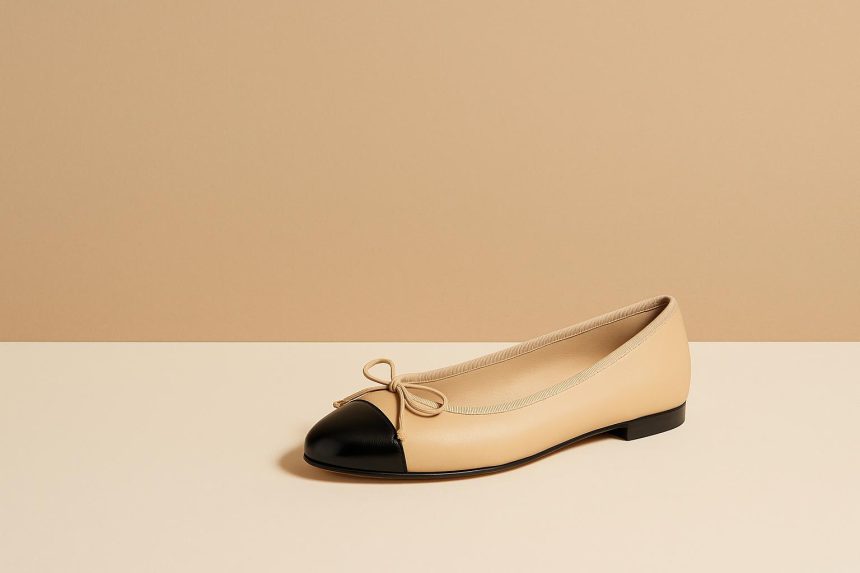
Few footwear styles have achieved the enduring appeal of the ballet flat. Elegant, comfortable, and endlessly versatile, ballet flats have been worn by dancers, film stars, royalty, and everyday women for generations. Their distinctive shape — characterised by a rounded toe, slim sole, and graceful silhouette — originated in the world of classical ballet, but over time they evolved into one of fashion’s most beloved wardrobe staples.
Today, ballet flats appear in everything from minimalist capsule wardrobes to high-fashion runway collections. Their appeal lies in their ability to combine understated elegance with practicality, making them suitable for work, casual outings, and formal occasions alike. Modern collections of beautiful ballet flats continue this tradition, offering refined interpretations of a timeless design.
But the story of ballet flats stretches back more than a century, shaped by cultural icons and fashion innovators who helped transform a dancer’s shoe into a global fashion phenomenon.
The Origins: From Ballet Stage to Everyday Style
The ballet flat’s roots lie in the soft slippers worn by ballet dancers. These shoes were designed to allow dancers maximum flexibility and freedom of movement while maintaining a sleek, elegant profile. Traditionally made from soft leather or canvas, ballet slippers featured a thin sole and drawstring fastening.
In the early twentieth century, designers began adapting this practical dance shoe for everyday wear. The transition was gradual, but the simplicity and elegance of the design made it an appealing alternative to more structured footwear.
One of the earliest pioneers in this transformation was Italian designer Salvatore Capezio, whose dance shoes inspired fashion versions worn by theatre audiences and performers alike. However, it wasn’t until the mid-twentieth century that ballet flats truly entered mainstream fashion.
Audrey Hepburn and the Rise of the Ballet Flat
If one person helped elevate ballet flats to iconic status, it was Audrey Hepburn. The actress famously wore slim black flats in the 1957 film Funny Face, pairing them with cropped trousers and minimalist outfits that perfectly suited her elegant, understated style. Hepburn’s preference for ballet flats challenged the prevailing idea that glamour required high heels. Instead, she demonstrated that flat shoes could look sophisticated, modern, and effortlessly chic.
Her influence on fashion was enormous, and women around the world began adopting ballet flats as part of their everyday wardrobes. Even decades later, Hepburn’s style remains one of the defining images associated with the shoe.
Brigitte Bardot and the French Fashion Connection
While Hepburn introduced ballet flats to a global audience, French actress Brigitte Bardot gave the style a distinctly Parisian edge. In the 1950s, Bardot collaborated with designer Rose Repetto to create a ballet-inspired shoe that combined elegance with comfort. The resulting design, known as the “Cendrillon,” became an instant classic.
Bardot wore the shoes in the film And God Created Woman, cementing their status as a fashion statement. The design featured soft leather, a flexible sole, and a flattering rounded toe — characteristics that continue to define ballet flats today. The association with French fashion helped solidify the ballet flat as a symbol of effortless European style.
Princess Diana and the Power of Understated Elegance
In the 1980s and 1990s, Princess Diana helped bring ballet flats back into the spotlight. Known for her ability to blend sophistication with approachability, Diana frequently wore flat shoes for public appearances, often pairing them with tailored outfits and elegant dresses.
Her preference for ballet flats reinforced the idea that comfort and style could coexist. For many women, Diana’s fashion choices made ballet flats feel both practical and refined — a combination that still resonates today.
The Modern Era: Ballet Flats in Contemporary Fashion
In the twenty-first century, ballet flats have remained remarkably relevant. Designers continue to reinterpret the classic silhouette with modern materials, colours, and textures. Some contemporary variations include:
- Pointed-toe ballet flats for a sharper, more tailored look
- Cushioned insoles for enhanced comfort
- Metallic finishes and embellishments for evening wear
- Sustainable materials for environmentally conscious fashion
Luxury fashion houses and independent designers alike continue to include ballet flats in their collections, recognising their ability to bridge the gap between elegance and practicality.
Why Ballet Flats Have Endured
Many fashion trends come and go, but ballet flats have remained popular for decades. Several factors explain their lasting appeal.
- Timeless design: The clean, simple shape of ballet flats means they rarely feel outdated.
- Comfort and versatility: Unlike many other stylish shoes, ballet flats are easy to wear for extended periods.
- Wide styling potential: They pair effortlessly with everything from tailored trousers to dresses and jeans.
- Cross-generational appeal: Ballet flats are worn by teenagers, professionals, and older women alike.
Because of these qualities, ballet flats have earned a permanent place in modern wardrobes.
Styling Ballet Flats Today
The beauty of ballet flats lies in their adaptability. They can be styled in countless ways depending on the occasion.
- For professional settings, classic leather flats paired with tailored trousers create a polished look suitable for the office.
- For casual outfits, ballet flats complement jeans, midi skirts, or relaxed dresses, adding a touch of refinement without appearing overly formal.
- For evening wear, embellished or metallic flats provide a sophisticated alternative to high heels, offering elegance without sacrificing comfort.
A Shoe That Transcends Trends
From ballet studios to Hollywood films, from royal wardrobes to contemporary fashion collections, ballet flats have travelled an extraordinary journey. What began as a practical dancer’s slipper evolved into one of the most recognisable footwear designs in the world.
Their enduring popularity speaks to the power of simplicity in fashion. Ballet flats prove that a shoe does not need to be elaborate to be iconic — it simply needs to balance beauty, comfort, and timeless style.
As fashion continues to evolve, ballet flats remain a reliable classic, reminding us that elegance often lies in the most understated designs.

Lynn Martelli is an editor at Readability. She received her MFA in Creative Writing from Antioch University and has worked as an editor for over 10 years. Lynn has edited a wide variety of books, including fiction, non-fiction, memoirs, and more. In her free time, Lynn enjoys reading, writing, and spending time with her family and friends.