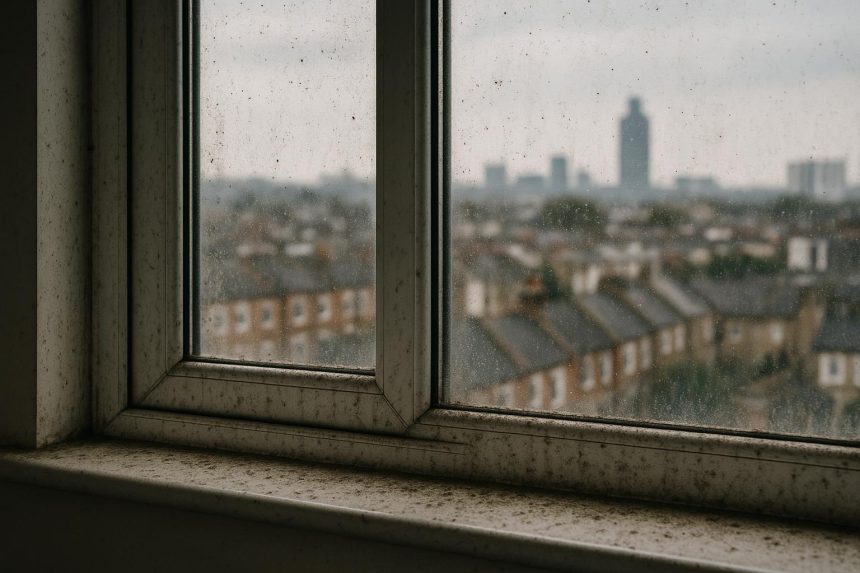
If you’ve ever cleaned your windows only to find them looking dusty or streaky again a few weeks later, you’re not imagining things. Actually, many South London homeowners find themselves cleaning their windows more frequently than they expect.
While it may seem like bad luck, there are several environmental factors working against them. From busy roads and ongoing development projects to weather patterns and seasonal pollen, South London presents unique challenges for maintaining clean glass.
Understanding where the dirt comes from can help explain why windows lose their shine so quickly and why regular maintenance is often necessary.
Heavy Traffic Creates a Constant Layer of Grime
One of the biggest reasons South London windows become dirty so quickly is the volume of traffic moving through the area each day.
Cars, buses, delivery vans, and commercial vehicles release exhaust particles, tyre dust, and other airborne pollutants that eventually settle on nearby surfaces.
Windows are particularly vulnerable because glass provides a smooth surface that makes dirt deposits highly visible.
It’s not too surprising that properties located near busy roads often experience faster build-up, especially on lower floors and street-facing elevations.
What’s more, modern pollutants are often microscopic. Homeowners may not notice the accumulation immediately. But over time, these particles create the dull film that makes windows appear cloudy, even when no obvious dirt is present.
Construction and Development Generate Airborne Dust
South London continues to experience significant redevelopment, with residential projects, commercial construction, road improvements, and infrastructure upgrades taking place across many neighbourhoods.
Construction activities release large amounts of fine dust into the air. Materials such as concrete, brick, plaster, and soil can travel surprisingly far, particularly during dry or windy conditions.
These particles eventually settle on nearby windows, creating a noticeable layer of grime.
Unlike ordinary household dust, construction dust can be abrasive. If left to accumulate, it may make routine cleaning more difficult and increase the risk of scratching glass when improper cleaning methods are used.
Rain Often Makes Windows Dirtier Rather Than Cleaner
Many people assume rain naturally cleans windows. In reality, rain frequently has the opposite effect.
As raindrops fall through the atmosphere, they collect dust, pollution, pollen, and other airborne contaminants. When the water evaporates, these particles remain behind as spots, streaks, and residue.
The problem is particularly noticeable in urban areas where airborne pollution levels are higher. Instead of washing windows clean, rainfall often redistributes contaminants across the glass, creating an uneven appearance that becomes more visible when sunlight hits the surface.
Wind Carries Dirt From Multiple Sources
Wind plays a major role in how quickly windows become dirty. Even on days when conditions seem relatively calm, air movement continuously transports dust, soil particles, pollen, and pollution from surrounding areas.
In densely populated parts of South London, this means dirt can originate from roads, construction sites, parks, gardens, and neighbouring properties before eventually settling on windows.
Properties exposed to open spaces or positioned on elevated ground may experience even greater dirt accumulation. That’s because there are fewer obstacles to block airborne particles.
Trees and Green Spaces Leave Their Mark
South London’s parks, gardens, and tree-lined streets are among its greatest attractions. However, they also contribute to window dirt.
Throughout the year, trees release pollen, seeds, sap, and organic debris that can cling to glass surfaces. During spring, pollen can create a noticeable yellow or greenish film on windows. In autumn, decaying leaves and plant matter contribute additional airborne particles.
Some species also produce sticky sap that attracts dust and pollution, creating stubborn deposits that are harder to remove than ordinary dirt.
Urban Air Pollution Sticks Readily to Glass
Beyond traffic emissions, South London’s urban environment generates a constant supply of airborne pollutants.
Add that to the mix of industrial activities, heating systems, commercial operations, and general city activity, and you get a challenging situation for window panes.
Glass surfaces tend to highlight these pollutants because they provide little texture to disguise contamination.
Over time, pollutants bond with moisture on the window surface, creating the thin grey film that many homeowners notice developing between cleans.
This build-up is quite visible during sunny weather, when natural light reveals residue that may have accumulated gradually over several weeks.
Condensation Can Attract Additional Dirt
Condensation is another factor that often goes unnoticed. Moisture forming on windows can act like a magnet for airborne dust and pollutants.
When condensation evaporates, contaminants remain behind on the glass. Repeated cycles of moisture and evaporation can gradually increase residue build-up.
This becomes particularly noticeable during the colder months, when temperature differences between indoor and outdoor environments are greater.
This helps explain why some windows seem to become dirty even when weather conditions have been relatively mild.
Seasonal Changes Affect Window Cleanliness
Window cleanliness tends to fluctuate throughout the year. Spring brings pollen, summer often introduces dry dust, autumn contributes leaf debris, and winter weather can leave water marks and pollution deposits.
These seasonal effects mean that there is rarely a time when windows are completely protected from environmental contaminants. Instead, the type of dirt changes as the seasons progress.
Understanding these patterns can help you anticipate periods when windows are likely to require more frequent attention.
Why Regular Cleaning Matters
Because South London windows are exposed to multiple sources of contamination simultaneously, dirt often accumulates gradually rather than appearing overnight. The longer these deposits remain on the glass, the more difficult they can become to remove.
Regular cleaning not only improves appearance but can also help prevent stubborn residues from bonding to the surface.
Consistent maintenance is often far easier than dealing with months of accumulated grime in a single cleaning session.
When Professional Window Cleaning Is Worth Considering
For many homeowners, keeping pace with traffic pollution, construction dust, seasonal debris, and weather-related residue can be challenging.
Professional window cleaning in Croydon can help remove stubborn build-up and restore clarity to glass surfaces using specialist equipment and techniques.
Regular professional cleaning can be particularly beneficial for properties located near busy roads, construction sites, or heavily wooded areas where dirt tends to accumulate more rapidly.
Conclusion
Dirty windows are often the result of multiple environmental factors working together rather than a single cause.
While you cannot control all the environmental factors, understanding them provides valuable insight into why windows lose their shine so quickly.
In a busy urban setting, regular care is one of the most effective ways to clean your vistas and enjoy the view!

Lynn Martelli is an editor at Readability. She received her MFA in Creative Writing from Antioch University and has worked as an editor for over 10 years. Lynn has edited a wide variety of books, including fiction, non-fiction, memoirs, and more. In her free time, Lynn enjoys reading, writing, and spending time with her family and friends.