The way professionals introduce themselves has changed quietly but significantly over the last few years. Paper cards are not disappearing overnight, but a growing number of entrepreneurs are reaching for something smarter when they walk into a meeting.
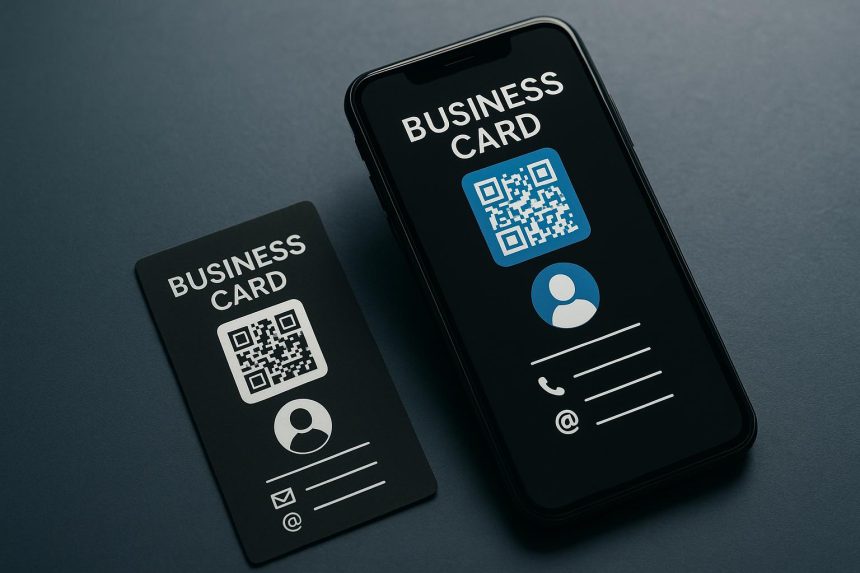
Think about the last time you handed someone a paper business card. You probably hoped they kept it, but statistically, most cards end up in a drawer or a bin within days. That friction is exactly what has pushed many forward-thinking professionals toward the electronic business card, a digital tool that lets you share your contact details, portfolio links, social profiles, and even payment handles instantly from your phone or a smart wearable device. For entrepreneurs who move fast and care about first impressions, the shift makes a lot of sense.
The Real Problem with Paper Cards
Paper cards have served their purpose for decades, but they come with quiet limitations that add up over time. They cost money to design and print, they run out at the worst moments, and every time your phone number or job title changes, a whole batch becomes outdated. For entrepreneurs who pivot often, rebrand, or wear multiple hats, the static nature of a printed card can actually work against them.
Beyond the logistics, there is something increasingly tone-deaf about handing someone a physical card at a tech conference or a startup event. It signals that you are operating with yesterday’s tools at a moment when your tools are supposed to reflect your vision. That subtle impression matters more than most people admit.
What Makes the Digital Version So Appealing
Instant updates, zero reprint costs
One of the most underrated advantages is how easy it is to keep your information current. With a digital card, you log in, make a change, and everyone who scans your profile immediately sees the updated version. There are no old cards floating around with the wrong email address, and no need to reorder a new batch every time something changes. For someone running a growing business, that kind of flexibility is genuinely valuable.
Rich content that paper simply cannot carry
A paper card has room for a name, a title, and a few contact details. A digital card can include a short video introduction, a link to your latest project, your booking calendar, testimonials, and your full social media presence. When you share it, the other person gets a complete picture of who you are and what you do, all in one tap. That depth of information is something a 3.5-by-2-inch piece of cardstock cannot match.
Analytics that help you follow up smarter
Some of the better digital card platforms give you data on how many times your card was viewed, which links were clicked, and even where interactions came from. For a sales-oriented entrepreneur or a consultant who attends multiple events, that information helps prioritize follow-ups. You stop guessing who was genuinely interested and start having conversations with context.
Popular Tools Entrepreneurs Are Using
The market has matured enough that there are solid, well-reviewed options to choose from. Popl is one of the most recognized names, and it pairs a physical NFC device with a digital profile that can be customized and updated anytime. HiHello is another strong option, especially for teams who want everyone on a consistent branded card without the printing expense. Dot Cards takes a similar NFC-based approach and has received solid reviews for its clean interface and ease of setup.
For those who prefer a fully app-based experience without any physical device, Linq and Blinq both offer flexible digital profiles with QR code sharing built in. Each platform has its own strengths, so the right choice usually depends on how often you network, whether you need team features, and how much customization matters to you. Most offer free tiers that are perfectly usable for individual entrepreneurs just getting started.
The Environmental Angle Is Not Just Marketing
Billions of paper business cards are printed globally every year, and a significant portion of them are discarded within a week of being received. Switching to a digital alternative does reduce that waste, and for entrepreneurs who care about their brand values, that alignment matters. It is not the primary reason most people make the switch, but it adds a layer of intentionality to the decision that resonates well with certain audiences, especially clients and partners who factor sustainability into who they work with.
A Few Things Worth Knowing Before You Switch
Not every situation calls for a digital card. In some industries, particularly in more traditional sectors like law, finance, or high-end real estate, a beautifully printed card still carries a certain weight that a phone tap cannot fully replicate. Context always matters. The smartest approach for many entrepreneurs is a hybrid one, keeping a small supply of premium physical cards for formal occasions while using a digital card for the majority of day-to-day networking.
It is also worth thinking about ease of use for the person on the receiving end. Not everyone knows what to do when you tap your NFC device against their phone, especially in demographics less familiar with the technology. Having a QR code backup makes the experience seamless for anyone regardless of their comfort level with newer tools.
Why It Fits the Entrepreneurial Mindset
Entrepreneurs are, by nature, people who look for better systems. They question why things are done a certain way, and when a clearly superior option exists, they adopt it. The shift to digital cards fits that pattern naturally. It is not about chasing trends. It is about removing friction, presenting yourself more effectively, and spending less time and money on something that should be working harder for you. When your networking tool is as dynamic as your business, it reflects the kind of thinking that builds credibility before you even say a word.
Final Thought
The shift toward digital networking tools reflects something broader happening across the professional world. Entrepreneurs who build habits around efficiency and clear communication tend to find that every small upgrade compounds over time. A smarter way to share your contact information is a small thing, but it is the kind of small thing that signals you are paying attention to how you show up.
Frequently Asked Questions
Do I need an NFC-enabled phone to use a digital business card?
Not necessarily. While NFC devices make sharing faster, most digital card platforms also support QR code sharing, which works with any smartphone camera. This makes the experience accessible regardless of the device either party is using.
Is it safe to share personal contact details through a digital card platform?
Reputable platforms encrypt your data and give you control over what is visible on your public profile. You choose exactly what to share, and most platforms do not sell your information to third parties. It is always worth reading the privacy policy of any service you sign up for.
Can I use a digital business card if I am not very tech-savvy?
Absolutely. Most platforms are built with simplicity in mind. Setting up a profile typically takes less than ten minutes, and sharing your card is as simple as showing a QR code or tapping a device. The learning curve is minimal for most users.
Are there free options for digital business cards, or do they all require a subscription?
Most platforms offer a free tier that covers the core features, including a shareable profile, QR code, and basic customization. Premium plans usually unlock things like advanced analytics, team management, and deeper branding options. For individual entrepreneurs, the free tier is often more than enough to start.
What happens if the person I share with does not have a smartphone?
This is a legitimate edge case. Some platforms let you send your card via email or text message as a link, which can be opened on any device with a browser. Keeping a small number of traditional cards for situations like this is a reasonable backup strategy.

Lynn Martelli is an editor at Readability. She received her MFA in Creative Writing from Antioch University and has worked as an editor for over 10 years. Lynn has edited a wide variety of books, including fiction, non-fiction, memoirs, and more. In her free time, Lynn enjoys reading, writing, and spending time with her family and friends.