In the competitive landscape of modern retail, the physical connection between a brand and its customer often culminates at the checkout counter. For small-to-medium retail business owners and boutique brand managers across Australia and New Zealand, that final interaction is defined by more than just the product sold; it is defined by the presentation. However, the logistics of maintaining that presentation are frequently fraught with challenges. From sudden surges in foot traffic during holiday periods to the unpredictable nature of global supply chains, the ability to secure high-quality packaging at a moment’s notice has become a critical pillar of brand success. This is where the logistics of brand experience come into play, transforming simple packaging from a utility into a strategic advantage.
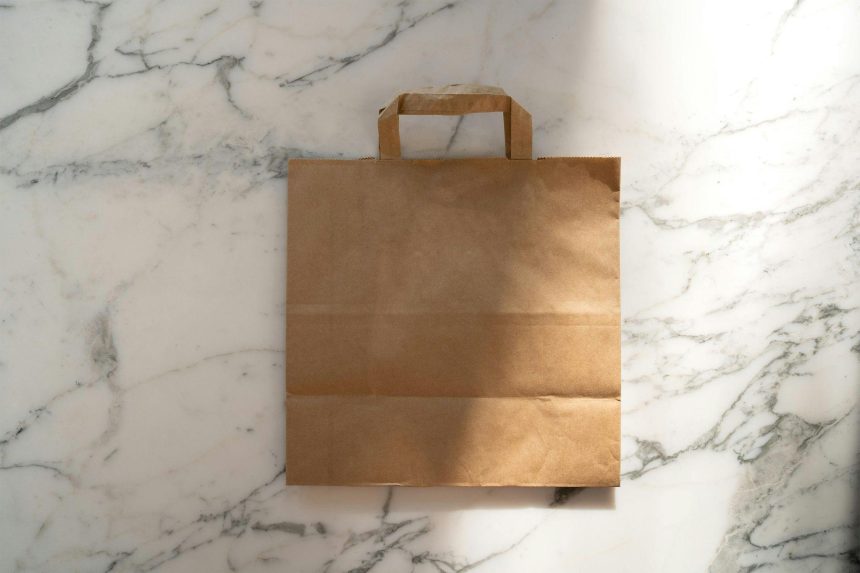
For many growing businesses, the primary hurdle is balancing inventory levels with physical space. Storefronts in trendy urban pockets of Melbourne, Sydney, or Auckland often come with limited back-of-house storage. Retailers are forced to choose between stocking extra product or stocking the bulky boxes of bags and tissue paper required to send that product home with a customer. When a business finds its stock dwindling unexpectedly, the stress of a potential “packaging outage” can distract from core operations. Partnering with professional paper bags suppliers with fast shipping ensures that your brand remains consistent and professional even when your local stock levels run low. This reliability allows a boutique owner to focus on sales and customer engagement rather than worrying about whether they will be handing over a premium garment in a generic, unbranded plastic bag the following afternoon.
The modern consumer’s expectation for speed has shifted from a “nice-to-have” luxury to a baseline requirement. This demand for immediacy has migrated from the digital space into the physical world. If a retail brand prides itself on high-end service, that service must extend to the efficiency of its supply chain. When a brand can rely on a partner like PaperPak, they are essentially outsourcing their warehouse anxiety. By leveraging a system that prioritizes rapid turnaround, retailers can maintain a “just-in-time” inventory model. This approach keeps capital from being tied up in massive amounts of packaging sitting in a storeroom for six months, allowing for better cash flow and more agile business pivots.
Efficiency in dispatch is the silent hero of the retail world. In the fast-paced markets of Australia and New Zealand, the geographic distances can often make shipping a headache. However, specific logistical benchmarks can change the game for an event planner or a retail manager. For instance, having a clear 1:30 PM (ACST) order cutoff for next-business-day dispatch provides a level of certainty that is rare in the industry. It creates a predictable window for decision-making. If a manager realizes on a Tuesday morning that a weekend event has seen a spike in registrations, they have a clear deadline to meet to ensure their branded packaging arrives before the doors open. This predictability is the foundation of a “safety net” that allows creative professionals to push boundaries without fearing a logistical collapse.
Furthermore, the “logistics of brand experience” is about more than just avoiding a crisis; it is about the psychological peace of mind for the business owner. There are moments in retail where “fast” is not enough, and “urgent” becomes the only speed that matters. The availability of a 4-hour urgent dispatch option acts as the ultimate insurance policy. For a brand manager in a high-stakes environment, knowing that a packaging emergency can be solved in less than half a working day is transformative. It allows for a level of bravery in brand execution, knowing that the physical touchpoints of the customer journey are protected by a rapid-response supply chain.
Consistency is the heartbeat of brand loyalty. When a customer visits a boutique in Christchurch and then another in Brisbane, they expect the same tactile experience. If a retailer runs out of their signature packaging and is forced to use a makeshift alternative, it breaks the “brand promise.” It signals to the customer that the business is perhaps struggling with its backend operations or does not value the aesthetic details of the purchase. By utilizing a supplier that guarantees quick dispatch, brands can ensure that the “unboxing” or “unbagging” experience remains uniform across all locations and timeframes. Speed, in this context, is a tool for brand preservation.
The environmental aspect of packaging also plays a significant role in the modern Australasian market. Consumers are increasingly savvy about the sustainability of their purchases. However, eco-friendly options are sometimes harder to source on short notice than traditional plastics. A reliable supply chain ensures that a brand does not have to compromise its environmental values for the sake of speed. When a retailer can get high-quality, sustainable paper bags delivered quickly, they maintain their ethical standing with their audience without the risk of stockouts. This alignment of values and logistics is what separates industry leaders from those who are merely reacting to the market.
For event planners, the stakes are even higher. Events are fixed points in time; there are no “second chances” if the gift bags arrive the day after the gala. The logistics of brand experience for an event professional involve managing a complex web of vendors, and the packaging supplier is often the last piece of the puzzle. The ability to trust in a next-business-day dispatch protocol allows planners to focus on the high-level details of their event, knowing the physical takeaways are handled. It shifts the packaging from a source of anxiety to a reliable asset.
The economic impact of reliable shipping should also be considered. When a business has to pay for expedited, last-minute shipping from unverified sources, the costs can skyrocket, eating into the profit margins of the products themselves. By partnering with a specialized supplier that has integrated fast shipping into their standard operating procedure, small businesses get the benefit of “emergency speed” at a much more sustainable price point. It democratizes the high-end retail experience, allowing smaller boutiques to compete with larger department stores that have their own massive distribution networks.
Ultimately, the choice of a packaging partner is a reflection of how a business views its customers. Choosing a path that prioritizes speed and reliability shows a commitment to the customer’s time and the integrity of the product. It acknowledges that the journey doesn’t end when the credit card is swiped, but when the customer walks out the door with a beautifully packaged item that feels like a gift, regardless of whether they bought it for themselves or someone else.
In conclusion, the evolution of the retail brand is deeply tied to the efficiency of its invisible systems. The “Beyond the Bag” philosophy encourages retailers to look at their packaging not as a cost center, but as a critical component of their service delivery. With the support of rapid dispatch options and strict order cutoffs, businesses in Australia and New Zealand can navigate the complexities of modern retail with confidence. Fast shipping is the bridge between a brand’s vision and the customer’s reality, ensuring that every interaction is polished, professional, and perfectly timed. By investing in a supply chain that acts as a safety net, retail managers can ensure their brand experience is never compromised by the clock.

Lynn Martelli is an editor at Readability. She received her MFA in Creative Writing from Antioch University and has worked as an editor for over 10 years. Lynn has edited a wide variety of books, including fiction, non-fiction, memoirs, and more. In her free time, Lynn enjoys reading, writing, and spending time with her family and friends.