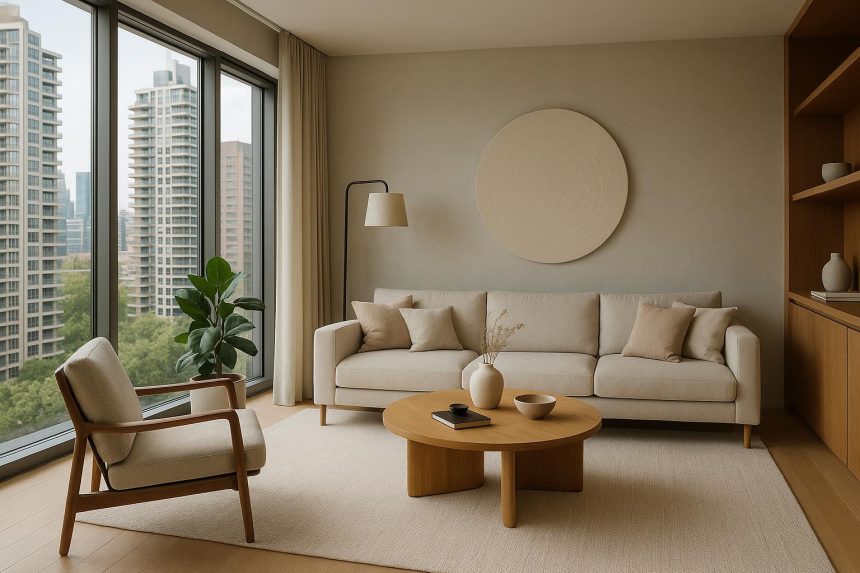
Explore how refined interiors and intentional design choices elevate comfort, function, and long-term value in modern urban homes.
City living has changed in ways that go beyond location. For many homebuyers today, the appeal of an urban residence is no longer limited to proximity to business districts, restaurants, or lifestyle hubs. What increasingly matters is how a home feels once the door closes. People want spaces that offer calm, function, and identity, especially in cities where movement is constant and external noise rarely stops.
This is why interiors now play such an important role in the way residential properties are perceived. A home is not simply judged by square footage or address. It is measured by how well it supports everyday life. The layout, materials, furnishings, and visual atmosphere all contribute to whether a space feels temporary or deeply livable. In this sense, thoughtful interiors are no longer decorative additions. They are central to the full experience of modern city living.
The shift is especially visible in premium residential developments, where buyers are paying closer attention to design coherence. They are no longer impressed by grandeur alone. They want homes that feel polished but usable, elegant but comfortable, aspirational but grounded in real life. A beautiful residence means very little if it cannot support rest, work, gathering, and solitude with equal ease.
This is where the relationship between architecture and interiors becomes especially important. A well-designed building may provide the structure, views, and spatial flow, but the interior completes the story. It translates the promise of the property into a lived experience. Without that layer of intention, even a prestigious home can feel incomplete.
What Buyers Now Look for in Urban Interiors
Today’s buyers tend to value homes that feel both elevated and intuitive. In urban residences, every design decision carries more weight because space is often more curated than expansive. Furniture, finishes, and layout choices need to maximize comfort without making a room feel crowded.
Key qualities many homeowners now prioritize include:
- A layout that supports both privacy and connection
- Furnishings that balance style with everyday usability
- Materials that feel durable, warm, and visually refined
- Storage solutions that reduce clutter without sacrificing design
- Lighting that creates flexibility from morning to evening
A well-considered interior makes a home feel larger, quieter, and more welcoming, even when the footprint is modest compared with a suburban house.
Why Interiors Influence Daily Well-Being
Buyers and residents are also becoming more aware of how interiors affect emotional well-being. A cluttered or poorly arranged home can make daily life feel fragmented. In contrast, a space that is organized, balanced, and visually restful can help create a stronger sense of ease.
This is particularly valuable in the city, where people often return home after navigating traffic, deadlines, and overstimulation. Home becomes the place where the nervous system settles. Good interiors support that transition by shaping atmosphere as much as function.
A few design elements tend to make the biggest difference in day-to-day life:
- Open, balanced layouts make movement feel easier and less constrained
- Soft but structured furniture creates comfort without making rooms feel heavy
- Warm materials and textures make a home feel calmer and more inviting
- Smart storage reduces visual noise and improves daily organization
- Layered lighting allows rooms to adapt to different moods and routines
Materials and furnishings have a major influence on this feeling. Texture, scale, and proportion all shape how a room is experienced. Soft but structured seating, warm finishes, and pieces that are both functional and sculptural can transform a space from generic to memorable.
This is one reason many homeowners pay close attention to sourcing. The growing interest in luxury furniture Philippines reflects a desire for pieces that do more than fill a room. People want furnishings that contribute to comfort, express taste, and complement the architecture around them.
Beauty and Purpose Should Work Together
Furniture selection is not just about style. It is also about rhythm and usability. In a city residence, every item should justify its presence. A dining table may need to host family meals, casual work sessions, and intimate gatherings. A sofa may serve as a place for conversation, rest, or quiet evening reading. Because urban homes often ask more of each area, the furnishings must support multiple functions without making the space feel compromised.
This balance between beauty and purpose is what separates truly thoughtful interiors from merely fashionable ones. Trends come and go, but homes that are designed around how people actually live tend to age better. They feel relevant longer because they respond to human needs rather than short-lived aesthetics.
A strong interior often succeeds because it does the following:
- Gives each area a clear function without making the home feel rigid
- Allows visual continuity from one room to the next
- Leaves room for personal identity rather than looking staged
- Supports long-term use instead of short-term trend appeal
This is particularly important for homeowners who see their residence as a long-term investment rather than a temporary statement.
The Link Between Property Identity and Interior Experience
The best interiors also create a sense of continuity between the personality of the property and the life of the resident. A home should not feel like a showroom frozen in time. It should feel adaptable, personal, and capable of evolving. Good design leaves room for identity. It gives structure without becoming too fixed.
Residential projects that resonate strongly with buyers often understand this principle well. They recognize that modern luxury is not just about visual impact from the outside. It is also about the daily experience within the home. In a development such as laya by shang properties, the broader appeal of the property is strengthened when the idea of home is supported by interiors that align with contemporary expectations of comfort, refinement, and practical livability.
That alignment matters because urban homeowners are becoming more discerning. They are asking deeper questions. Does the home support quiet mornings and productive afternoons? Can it accommodate guests without losing its sense of intimacy? Does it feel restorative after a long day? These are not minor concerns. They are central to how people evaluate whether a residence truly suits their lifestyle.
Several priorities tend to shape that evaluation:
- Flexibility, so spaces can adapt to work, rest, and hosting
- Timelessness, so the home stays appealing as trends change
- Comfort, so daily routines feel easier and more restorative
- Practicality, so beauty does not come at the expense of function
- Cohesion, so the home feels unified rather than fragmented
Longevity Matters Just as Much as First Impressions
Another important factor is longevity. Thoughtful interiors contribute to how well a home holds its value over time. Spaces that feel timeless, functional, and well-proportioned tend to remain appealing even as preferences shift. Buyers and residents often respond to interiors that are flexible enough to adapt while still maintaining a clear design identity.
Lighting also plays a powerful role in how interiors function. Natural light can make a room feel more open and calming, while layered artificial lighting allows the same space to shift in mood depending on the time of day. In city living, where external surroundings may be fast and intense, lighting helps shape the emotional atmosphere inside the home. It can turn a functional room into a restful retreat.
Storage and organization deserve equal attention. A sophisticated interior is not simply one that looks beautiful in photos. It must also support the practical demands of daily life. Well-integrated storage helps maintain visual order and prevents a home from feeling chaotic. This is especially valuable in urban residences, where maintaining openness often depends on keeping clutter out of sight.
Ultimately, thoughtful interiors do more than enhance a property. They deepen the meaning of home. They help transform a residence from a place of occupancy into a place of belonging. In modern city living, where so much of life feels hurried and externally driven, that sense of belonging matters more than ever.
A well-designed urban home should not only impress on first glance. It should continue to reveal its value in the rhythms of everyday life. It should support comfort without excess, elegance without stiffness, and function without visual compromise. When interiors are approached with care, they do exactly that. They shape not only how a home looks, but how it is lived in, remembered, and loved over time.

Lynn Martelli is an editor at Readability. She received her MFA in Creative Writing from Antioch University and has worked as an editor for over 10 years. Lynn has edited a wide variety of books, including fiction, non-fiction, memoirs, and more. In her free time, Lynn enjoys reading, writing, and spending time with her family and friends.