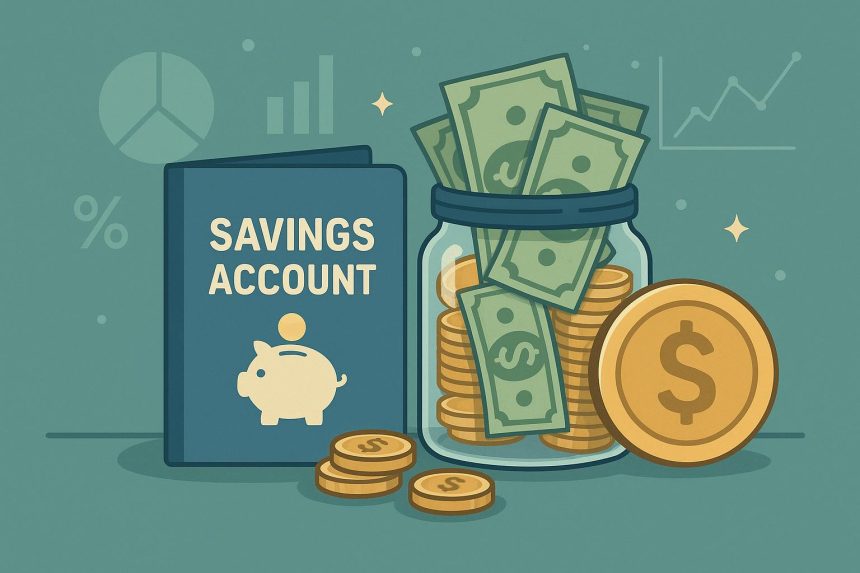
A savings account is often the first step toward better money habits. It offers a simple place to set aside funds while still keeping access when needed. Many financial institutions provide this option with clear terms and low barriers to entry. For beginners, learning how it works can help build confidence and steady progress.
What a Savings Account Does
A savings account holds money that is not meant for daily spending. An Alliance Credit Union savings account, for example, shows how credit unions structure these accounts to support steady deposits and simple access. Funds remain separate from a checking account, which helps control impulse purchases. This separation aids better planning and builds financial discipline over time.
The institution pays a small percentage on the balance, which helps the account grow. The interest rate may vary based on policies and market conditions. Even modest interest can support long-term goals when deposits are consistent.
How Interest and Dividends Work
Interest represents the cost a bank or credit union pays for the use of deposited funds. At credit unions, this return is often called dividends. The rate appears as an annual percentage yield, or APY, which reflects how much the balance could earn in a year. A higher APY may help improve growth, though rates can change.
Factors That Affect Earnings
Several elements influence how much a savings account earns. Balance size, deposit frequency, and the stated APY all matter. Fees may reduce returns if the account falls below the required minimums. Reviewing account terms helps avoid surprises and supports steady progress.
Key Features to Review
Every savings account has specific features that shape how it works. These details affect access, costs, and potential returns. A clear review of terms before opening an account prevents confusion later. Look for transparency in rates and fees.
Consider these common features:
- Minimum opening deposit requirements
- Monthly maintenance fees or ways to avoid them
- Withdrawal limits per month
- Online and mobile access options
- Deposit insurance coverage
Each of these points influences how well the account fits personal goals. For example, low minimum deposits may help beginners start sooner.
Steps to Open an Account
Opening a savings account usually requires basic identification and a small initial deposit. Most institutions ask for a government-issued ID and Social Security number. The process can take place online or at a branch location.
Here is what is typically required:
- A valid government-issued photo ID
- Social Security number or Taxpayer Identification Number
- Basic personal details such as address and contact information
- An initial deposit that meets the minimum requirement
After approval, deposits can begin through direct transfer, payroll deposit, or cash deposit at a branch. Regular contributions support balance growth and habit formation. Many people set up automatic transfers from checking to savings each month.
Smart Habits for Steady Growth
Building a savings balance takes patience and routine. Small, regular deposits may help improve consistency. Setting a clear goal, such as an emergency fund, adds direction to the effort. A target amount gives each deposit a purpose.
Monitoring progress keeps motivation strong. Periodic reviews of account statements show how interest adds to the balance. Adjusting deposit amounts when income changes can also support progress. Over time, steady habits may help create a financial cushion.
A savings account offers a secure place to build reserves while earning modest returns. An Alliance Credit Union savings account serves as one example of how structured features and clear terms can support this process. Careful review of rates, fees, and access rules helps set realistic expectations. With steady deposits and patience, this simple tool may help improve financial stability and long-term planning.

Lynn Martelli is an editor at Readability. She received her MFA in Creative Writing from Antioch University and has worked as an editor for over 10 years. Lynn has edited a wide variety of books, including fiction, non-fiction, memoirs, and more. In her free time, Lynn enjoys reading, writing, and spending time with her family and friends.