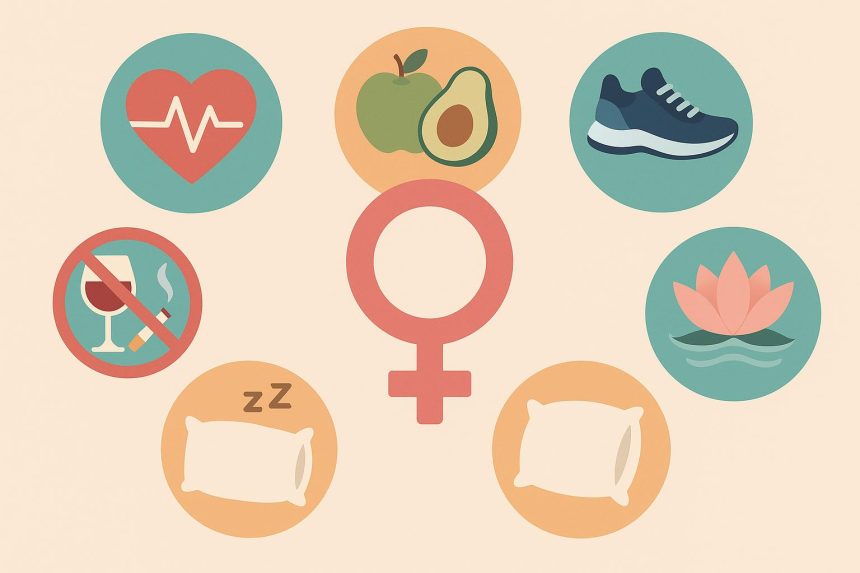
When it comes to long-term wellbeing, the small decisions women make each day often matter more than the dramatic ones. The food on your plate, the hours you sleep, the way you move your body, how you manage stress — all of it compounds over time.
Women’s health is dynamic. Hormones shift, metabolism changes, bone density fluctuates, and life stages like pregnancy, perimenopause and menopause introduce new considerations. Having the right medical support is important — whether that’s preventative screening, tailored advice, or regular check-ins with a trusted womens health GP — but what happens between appointments plays an equally powerful role.
Here’s how lifestyle choices shape long-term health outcomes, and what women can do today to protect their future wellbeing.
Nutrition – More Than Just Calories
Food is not just fuel — it’s information for your body. Nutrient quality influences hormone regulation, energy levels, immune function and even mental health. For women, particular nutrients are especially important:
- Iron, especially during menstruating years
- Calcium and vitamin D for bone strength
- Protein to support muscle mass, particularly as women age
- Omega-3 fatty acids for heart and brain health
Poor dietary patterns over time can increase the risk of type 2 diabetes, cardiovascular disease, osteoporosis and certain cancers. On the other hand, a balanced diet rich in whole foods, fibre, lean proteins and healthy fats supports hormonal balance and reduces chronic inflammation.
The key isn’t perfection… it’s consistency. Sustainable habits tend to outperform restrictive diets in the long run.
Physical Activity – a Long-Term Investment
Regular movement is one of the most powerful protective factors in women’s health. It improves cardiovascular fitness, strengthens bones, maintains muscle mass, supports mental health and assists in regulating blood sugar levels.
Weight-bearing exercise is particularly critical for women, as bone density naturally declines with age. Strength training, walking, Pilates and resistance-based workouts can help reduce the risk of osteoporosis and fractures later in life.
Exercise also supports hormonal regulation. It can ease symptoms of PMS, reduce anxiety, and improve sleep quality. However, balance is essential. Excessive high-intensity training without adequate recovery can disrupt menstrual cycles and elevate stress hormones. Long-term health thrives on consistency rather than extremes.
Sleep – the Underrated Foundation
Sleep is often sacrificed in busy modern life, yet it underpins nearly every system in the body. Chronic sleep deprivation is linked to:
- Increased risk of heart disease
- Hormonal imbalances
- Weight gain
- Impaired immune function
- Mental health concerns
Women may experience sleep disruptions due to menstrual cycles, pregnancy, postpartum changes and menopause. Prioritising sleep hygiene (i.e. regular bedtimes, reduced screen exposure before bed, and limiting caffeine late in the day) can have significant long-term benefits. Quality sleep is not a luxury; it’s preventative healthcare.
Stress and Mental Health
Chronic stress does not just affect mood; it impacts the body at a physiological level. Prolonged stress elevates cortisol, which can influence weight distribution, immune resilience, blood pressure and reproductive health.
Women are often balancing multiple roles: career, caregiving, relationships and personal responsibilities – without adequate stress management, this constant pressure can accumulate. Protective strategies include:
- Regular physical activity
- Mindfulness or meditation
- Social connection
- Clear boundaries around work and personal time
- Professional mental health support when needed
Mental health is inseparable from physical health. Addressing stress early reduces the likelihood of long-term complications.
Preventative Care and Screening
Lifestyle choices and medical care work hand in hand. Regular health checks enable early detection and management of potential concerns before they escalate. Preventative care for women may include:
- Cervical screening tests
- Breast examinations and mammograms
- Cardiovascular risk assessments
- Bone density scans where indicated
- Blood tests to monitor iron, thyroid function and metabolic markers
Many chronic conditions develop gradually – routine monitoring allows for timely intervention, often preventing more serious outcomes.
Hormonal Health Across Life Stages
Women’s health is not static; each life stage brings different considerations:
- Reproductive years: Nutrient adequacy, menstrual health, contraception choices and fertility awareness become key factors.
- Pregnancy and postpartum: Nutrition, mental health support and recovery play crucial roles.
- Perimenopause and menopause: Hormonal fluctuations can affect sleep, mood, bone density and cardiovascular health.
Lifestyle habits established earlier in life often determine how smoothly these transitions occur. Strong bones, balanced metabolism and healthy cardiovascular function don’t develop overnight — they’re built over decades.
Alcohol, Smoking and Long-Term Risk
Certain lifestyle behaviours significantly impact long-term health outcomes. Smoking is associated with increased risks of heart disease, lung disease, osteoporosis and several cancers. Alcohol, even in moderate amounts, can affect liver health, breast cancer risk and sleep quality. Reducing or eliminating these risk factors has measurable long-term benefits (the body is remarkably resilient and can recover substantially when supported).
Social Connection and Community
Loneliness and social isolation are increasingly recognised as health risk factors. Strong social networks are linked to lower rates of depression, improved immune function and longer life expectancy. Maintaining meaningful relationships — whether through family, friendships, community groups or shared activities — contributes to emotional resilience and overall wellbeing.
The Long View – Small Choices, Big Impact
Women’s health is shaped by patterns, not isolated events. A single poor night’s sleep won’t cause long-term harm, just as one healthy meal won’t prevent disease. It’s the cumulative effect of daily decisions that influences outcomes over years and decades.
By focusing on balanced nutrition, consistent movement, adequate sleep, stress management and regular preventative care, women can significantly reduce their risk of chronic illness and support vitality at every life stage.
The most empowering part? Many of these factors are within reach. Sustainable habits, personalised medical guidance and early intervention can collectively shape a healthier future. Long-term women’s health is not about chasing perfection — it’s about informed, consistent choices that support the body through every stage of life.

Lynn Martelli is an editor at Readability. She received her MFA in Creative Writing from Antioch University and has worked as an editor for over 10 years. Lynn has edited a wide variety of books, including fiction, non-fiction, memoirs, and more. In her free time, Lynn enjoys reading, writing, and spending time with her family and friends.