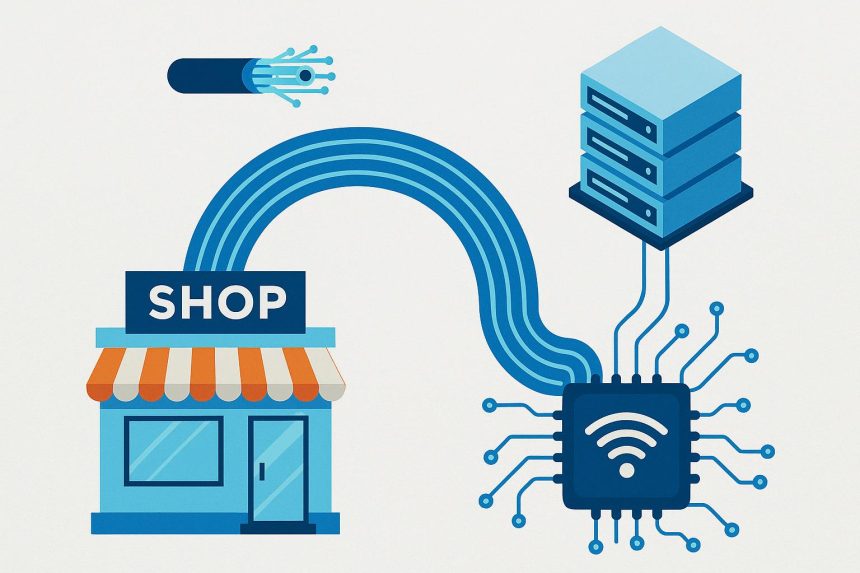
Running a small business today means depending on a steady connection for almost everything, whether that’s ringing up a sale, joining a client video call, or syncing files across locations. When the network lags, work stops, and customers notice. Scalable high-speed internet gives growing companies room to expand their bandwidth without ripping out systems later. This article looks at how dependable networks strengthen efficiency, customer service, and steady business growth.
How Connectivity Drives Modern Small Business Operations
Almost every function inside a small company now runs through the internet. Cloud software, video conferencing, card readers, and stock management tools all depend on steady uptime. A 2023 report from the U.S. Chamber of Commerce found that 93% of small firms rely on at least one digital platform for everyday work.
Limited bandwidth creates real costs. Staff waste time waiting for files to upload, calls drop mid-sentence, and payment terminals freeze right when queues build. Scalable infrastructure solves these headaches by letting capacity stretch whenever demand grows.
How Scalable Networks Support Business Growth
Scalability means your network can add bandwidth and power without being replaced from scratch. For owners planning gradual growth, that approach avoids painful upgrades every couple of years. Providers offering flexible packages, such as Fairbanks internet services, make it easier for local companies to raise speeds as teams get bigger, new branches open, or software needs expand. That kind of adaptability keeps the daily routine stable while the business shapes itself at a comfortable pace.
Matching Bandwidth to Business Needs
Each industry has its own speed requirements. A small retail shop may do fine on 100 Mbps, while an architecture studio working with heavy CAD files might want gigabit service. Scalable plans allow owners to pick tiers based on real usage patterns rather than rough estimates.
Key Advantages for Daily Operations
Dependable high-speed networks bring clear wins across several areas. Listed below are the biggest improvements small businesses tend to notice after upgrading their connections.
1. Faster Cloud Collaboration
Staff using cloud platforms for document sharing, task tracking, and messaging save real hours once uploads and downloads are quick. Research from Deloitte shows that small firms adopting cloud tools grow revenue 26% faster than those sticking with older systems.
2. Stronger Customer Experience
Buyers want service right away. When someone is booking an appointment online or tapping a QR code menu, any lag causes friction. Reliable connections keep transactions quick and help maintain good reviews, which shape both foot traffic and online sales.
3. Secure Remote Access
Hybrid setups are here to stay. Scalable networks combined with modern routers support virtual private networks, encrypted data flows, and safe remote logins. These tools protect private information while allowing employees to stay productive from home or on the road.
Cost Efficiency Through Smarter Infrastructure
Plenty of owners assume scalable service is pricey. Reality tells a different story. Paying for a rigid plan that no longer suits your firm wastes cash, either through unused capacity or frequent troubleshooting when demand surges.
Flexible contracts let companies pay for what fits today and upgrade later without steep fees. A 2024 Gartner study found that firms adopting scalable connectivity models cut yearly IT spending by an average of 18% while boosting service uptime.
Reducing Hidden Costs
Network outages carry costs beyond missed sales. Idle workers, delayed deadlines, and a bruised reputation all add weight. Spending on dependable bandwidth lowers these risks and guards long-term earnings.
Preparing for Future Technology Adoption
Newer tools like AI assistants, smart inventory trackers, and augmented reality product displays need serious bandwidth. Small firms that build scalable foundations today can adopt these technologies far quicker than rivals stuck on legacy plans.
Future-ready networks also handle more devices per site. As shops add smart cameras, digital signs, and IoT sensors, bandwidth needs climb fast. Infrastructure built for growth soaks up that demand without slowing performance.
Staying Competitive Locally
Local competition gets tougher each year. Shoppers weigh businesses by speed, reliability, and digital convenience. A strong network becomes part of your brand promise, signalling professionalism and trustworthiness to every person who walks in.
Conclusion
Scalable high-speed internet infrastructure is no longer something only big corporations can afford. Smaller firms see real gains in productivity, safety, customer happiness, and cost control when their networks grow with them. By picking flexible plans and steady providers, owners set their businesses up for gradual expansion and smoother daily work. Smart spending on connectivity today builds a base that supports tomorrow’s chances with quiet confidence.

Lynn Martelli is an editor at Readability. She received her MFA in Creative Writing from Antioch University and has worked as an editor for over 10 years. Lynn has edited a wide variety of books, including fiction, non-fiction, memoirs, and more. In her free time, Lynn enjoys reading, writing, and spending time with her family and friends.