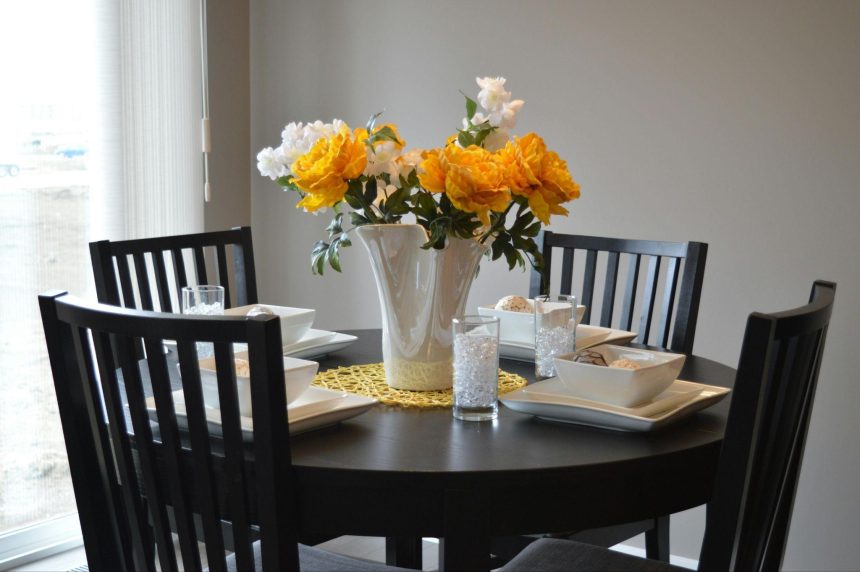
Finding the perfect balance between daily functionality and occasional entertaining is a common challenge for modern homeowners, but choosing a round extendable dining table is a brilliant way to maximize a compact footprint while maintaining an inviting atmosphere. Unlike sharp-edged rectangular furniture that can make a small room feel restricted or boxed in, the circular form offers a sense of fluid movement. This inherent softness allows the piece to act as a natural anchor for the home, drawing people together without disrupting the physical flow of the living area. When space is at a premium, the ability to transition from a cozy breakfast nook to a full-sized banquet setting is not just a convenience; it is a design essential that preserves the harmony of your interior.
The Psychology of the Circle
The preference for rounded shapes in interior design is rooted in more than just aesthetics. Psychologically, human beings are drawn to curves because they signal safety and comfort. In a small apartment or a narrow dining room, sharp corners can feel like obstacles, creating a visual “staccato” effect that makes a room seem cluttered. A round table, however, encourages the eye to glide around its perimeter. This creates an illusion of more space, as the lack of hard angles prevents the furniture from “cutting off” parts of the floor plan.
Furthermore, the social dynamics of a round table are unparalleled. There is no “head” of the table, which immediately democratizes the dining experience. Everyone is equidistant from the center, facilitating eye contact and conversation among all guests. In a world where we are increasingly glued to screens, the organic shape of a circular table fosters a genuine sense of connection and intimacy that linear furniture simply cannot replicate.
The Magic of the Round-to-Oval Transition
One of the most impressive feats of furniture engineering is the transition from a round to an oval shape. Models like the Artis or Montuiri exemplify this “round-to-oval” evolution. In their compact state, they provide a neat, symmetrical footprint perfect for daily use, such as morning coffee or a quiet dinner for two. When the extension leaf is added, the table stretches into an elegant oval.
This transition is superior to the traditional rectangular extension for several reasons. First, an oval table maintains the soft edges of the original circle, meaning that even when it is at its largest capacity, it does not dominate the room with aggressive corners. Second, the elongated shape allows you to seat more people along the sides while keeping the ends accessible for movement. This “form and flow” approach ensures that even a dinner party of six or eight people does not make a room feel claustrophobic.
Optimizing Flow in Open-Plan Living
Modern homes often feature open-plan layouts where the dining area, kitchen, and living room bleed into one another. In these spaces, furniture must serve as a subtle boundary without acting as a wall. A round extendable table excels in this environment because it occupies a central point without obstructing walkways.
Because round tables usually sit on a pedestal base or tapered legs that are tucked further under the surface, they offer more “legroom” and visual “air” underneath. This makes the floor appear more expansive. When you extend the table to its oval form for a celebration, the lack of corners means guests can easily slide past one another to get to the kitchen or the balcony. It respects the natural traffic patterns of the home, ensuring that the transition from a private sanctuary to a social hub is seamless.
Versatility in Styling and Materials
The aesthetic flexibility of round extendable tables makes them suitable for almost any interior style, from Mid-Century Modern to Scandi-Minimalism. For those who prefer a warm, organic feel, timber models with visible grain patterns add a touch of nature to the home. The Artis model, for instance, focuses on the beauty of the material, using the wood grain to emphasize the circular flow of the piece.
Alternatively, for a more contemporary or industrial look, tables that incorporate metal accents or darker finishes can provide a sophisticated focal point. The key is how the light interacts with the shape. Light reflects differently off curved surfaces than it does off flat planes; it wraps around the edges, creating soft shadows and highlights that add depth to the room. This interplay of light and shadow prevents large pieces of furniture from feeling heavy or overbearing in a small space.
The Practicality of Modern Mechanisms
Gone are the days of struggling with heavy, clunky table inserts that require two people to operate. Modern extendable tables are designed with user-friendly mechanisms that allow for a quick transformation. Many high-quality designs feature internal storage for the extension leaves, meaning you do not have to find extra closet space to hide the components when they are not in use.
The engineering behind these tables ensures that stability is never sacrificed for style. Whether in its circular or oval form, the table remains sturdy and balanced. This reliability is crucial for a piece of furniture that serves as the literal center of the home, supporting everything from laptop work sessions to festive holiday feasts.
Creating a Multi-Functional Hub
In a small home, every piece of furniture must “earn its keep.” A round extendable table is rarely just for dining. It often serves as a temporary desk, a craft station, or a place for children to do homework. The round shape is particularly beneficial for these activities because it allows multiple people to work around the table without feeling like they are encroaching on someone else’s “side.”
When it is time to shift from work to play, the extension feature allows you to clear the clutter and set the stage for a social evening. This adaptability supports a dynamic lifestyle where the home must transform to meet different needs throughout the day. By choosing a table that can grow and shrink as needed, you are investing in a piece that evolves alongside your life.
Designing Around the Curve
To truly make the most of a round extendable table, consider the surrounding elements. Circular rugs are a fantastic way to echo the shape of the table and define the dining zone within a larger room. Similarly, choosing chairs with curved backs can reinforce the “soft” aesthetic and ensure that they tuck neatly under the table when not in use, further saving space.
Lighting also plays a vital role. A single statement pendant light hung directly over the center of a round table creates a beautiful symmetry. When the table is extended to an oval, the light remains a central anchor, maintaining the balance of the room. This focus on “form and flow” ensures that the furniture does not just fit into the space, but actually enhances the architectural qualities of the home.
Conclusion
The “Curves of Connection” represent more than just a trend in interior design; they are a response to the way we live today. As our living spaces become more compact, the furniture we choose must be smarter, more flexible, and more human-centric. The round extendable table is the ultimate small-space hack because it refuses to compromise. It offers the intimacy of a circle, the capacity of an oval, and the grace of a piece of art. By prioritizing flow and flexibility, these tables turn even the smallest dining area into a spacious, welcoming heart of the home, proving that you don’t need a massive floor plan to host a life full of connection and celebration.

Lynn Martelli is an editor at Readability. She received her MFA in Creative Writing from Antioch University and has worked as an editor for over 10 years. Lynn has edited a wide variety of books, including fiction, non-fiction, memoirs, and more. In her free time, Lynn enjoys reading, writing, and spending time with her family and friends.