Key Takeaways
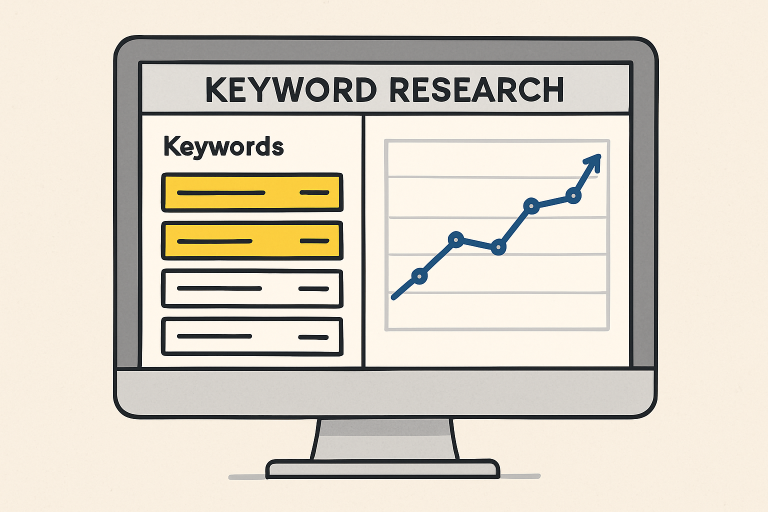
- Keyword research tools align content with user intent, boosting organic search visibility and increasing engagement rates.
- AI-powered tools streamline the keyword research process, saving time and improving accuracy so you can focus on content creation and strategic planning.
- Understanding search intent is crucial for creating effective content that resonates deeply with the target audience and meets business goals.
Navigating the complexities of digital marketing requires more than just intuition; it demands precise strategies grounded in data-driven insights. Effective keyword research is at the core of every successful SEO strategy, shaping the way businesses connect with their audiences online. Without the right keywords, even the most compelling content can be overlooked by search engines and potential customers alike. By leveraging robust platforms such as the Semrush free trial, marketers and content creators gain critical insights needed to drive impactful results. These tools empower users to track search trends, discover untapped opportunities, analyze competitors, and achieve a sustainable competitive edge in their industry. With the advantages offered by keyword platforms, digital marketing campaigns become more targeted and efficient, enabling them to reach the right audience at the right time.
Not only do keyword research solutions streamline your workflow by automating complex analysis, but they also reveal how potential customers are searching for information, products, or services in real time. In a highly competitive online marketplace where every impression matters, understanding search behavior is integral to expanding outreach and accelerating growth. By diving deep into keyword data, you gain actionable insights into user intent and the words your target market uses. With refined keyword tactics, brands can position themselves at the very moment customers express interest, ultimately boosting search visibility and business outcomes. This proactive approach also allows businesses to adapt quickly to changes in consumer demand or emerging topics in their industry.
Aligning Content with User Intent
Effective keyword research begins with decoding the ‘why’ behind every search. Each query communicates its purpose, whether the user seeks information (informational intent), navigates to a location (navigational intent), or makes a purchase (transactional intent). Content that explicitly addresses these distinct intents captures the reader’s interest and increases the likelihood of meaningful engagement. For example, an e-commerce brand targeting transactional search queries will naturally attract more qualified leads ready to convert, maximizing return on investment from marketing spend. This approach to content development emphasizes empathy, aligning your messaging and format with what prospects are actively seeking. In this way, keyword research doesn’t just help with discovery on search engines; it fosters trust and deeper customer relationships by delivering solutions tailored to their needs. Ultimately, understanding and prioritizing user intent leads to more effective, purpose-driven content.
Boosting Organic Search Visibility
The competition to appear on the first page of search engine results is fiercer than ever, with businesses of all sizes jostling for top spots. Keyword research tools offer the data needed to prioritize terms that carry both high search volume and relevance to your business. By targeting these strategic keywords, websites can maximize their presence on search engine results pages (SERPs) and attract a steadier stream of highly interested visitors. This diligent approach elevates your site above those that rely on guesswork. This method is crucial, as sources such as Search Engine Land highlight, with experts agreeing that keyword prioritization remains a cornerstone of effective SEO campaigns. Consistent optimization ensures your pages remain visible and competitive even as search trends evolve, reinforcing your brand’s reputation and authority over time.
Improving Click-Through Rates (CTR)
Click-through rate (CTR) is directly tied to the visibility and appeal of your website’s meta titles and descriptions on results pages. When you strategically integrate researched keywords into these critical elements, you make your listings highly relevant to users’ queries and thereby increase the chances of users selecting your site over a competitor’s. Well-crafted snippets with matching search phrases result in more clicks, higher traffic, and a positive feedback loop for search engine rankings, since popularity and relevance are also considered in ranking algorithms. Furthermore, ongoing keyword monitoring enables you to update underperforming pages, thereby boosting CTR and engagement.
Supporting Voice Search Optimization
With the widespread adoption of smart speakers and voice-activated assistants, the conversation around SEO has evolved beyond typed queries. Voice searches are typically longer, more natural-sounding, and phrased as questions mirroring how people speak in daily conversation. Keyword research tools equipped to identify these conversational language patterns enable you to adjust your content for this growing segment of search activity, making your website more accessible and relevant as user behaviors shift. By optimizing for voice search now, you prepare your brand for the future as voice-driven browsing becomes increasingly mainstream and important for local businesses and general search traffic alike.
Reducing Wasted Content Creation
Content creation demands time and resources, so it’s critical to ensure efforts yield measurable results and support business objectives. By implementing data-driven keyword strategies, businesses can avoid the costly mistake of developing content that fails to connect with their target audience or align with search demand. Focusing energy on keywords with proven demand minimizes wasted resources, ensuring every article, landing page, or campaign you produce addresses a real market need. Streamlining content planning through keyword research also establishes a more consistent publishing workflow, facilitating better resource allocation and stronger returns on your marketing spend.
Identifying Content Gaps
Relying solely on intuition for content planning often results in missed opportunities, leaving untapped market segments unreached. Keyword research tools analyze not only the performance of existing topics but also competitors' activity, revealing queries not addressed on your site. These insights provide a roadmap for effective content expansion, allowing you to fill coverage gaps and reach broader, previously undiscovered audiences. By filling these gaps, you not only attract additional organic traffic but also demonstrate greater topical authority and expertise in your field, helping establish your site as a comprehensive resource.
Enhancing Conversion Rates
Targeting high-intent keywords makes a tangible difference in conversion rates, as these phrases are typically used by individuals further along in the buying process. These keywords are used by individuals who are ready to act, such as making a purchase or requesting information; they are “bottom of the funnel” queries. By recognizing and integrating these crucial terms into your digital content strategy, you attract consumers at advanced stages of the buying journey, ultimately turning relevant search traffic into valuable leads or loyal customers. Fine-tuning your approach to leverage these keywords enhances the overall efficiency and profitability of your digital marketing efforts.
Conclusion
The evolution of online marketing demands sharper strategies, more specialized skills, and increasingly sophisticated tools. Incorporating keyword research tools into your workflow unlocks a nuanced understanding of market demand, enabling smarter content strategies that drive measurable results and improve engagement across every digital touchpoint. This proactive approach keeps your business agile, responsive, and future-ready in a fast-paced digital environment. Those who consistently leverage these solutions position themselves for long-term, sustainable online success, capitalizing on opportunities others may miss by relying on outdated tactics.

Lynn Martelli is an editor at Readability. She received her MFA in Creative Writing from Antioch University and has worked as an editor for over 10 years. Lynn has edited a wide variety of books, including fiction, non-fiction, memoirs, and more. In her free time, Lynn enjoys reading, writing, and spending time with her family and friends.