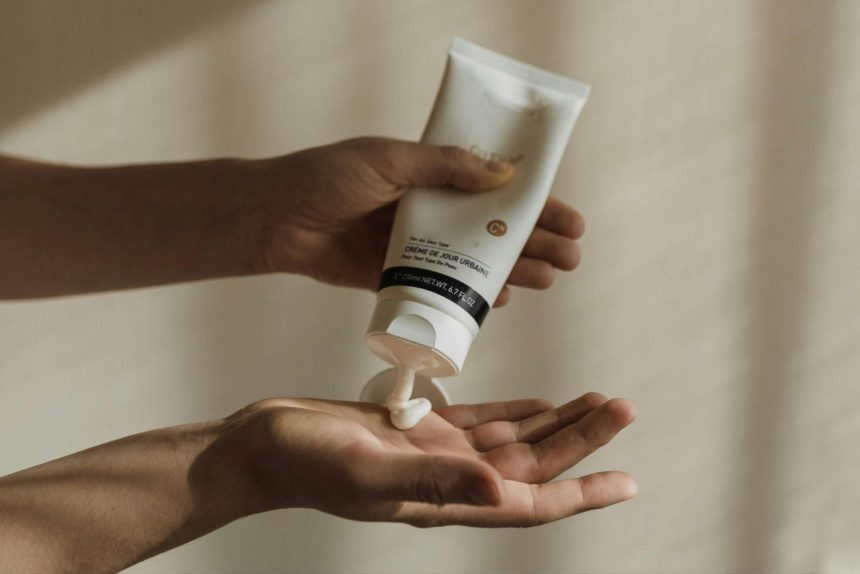
For many professionals, the end of a long shift is often marked by the physical toll taken on their skin. Whether you are a mechanic dealing with degreasers, a healthcare worker scrubbing in for surgery, or a gardener handling abrasive soil, finding an effective rough hands cream repair is a positive step toward restoring comfort and dexterity to your daily life. Unlike standard beauty lotions that sit on the surface of the skin and offer little more than a pleasant scent, industrial strength treatments are engineered to tackle the deep-seated damage caused by repetitive labor. When your livelihood depends on your hands, a basic moisturizer simply will not cut it. You need a solution that acts as both a curative treatment and a protective shield, allowing you to return to work the next morning without the burden of stinging cracks or inflexible calluses.
The reality of work-damaged skin is far more than an aesthetic concern. Chronic dryness leads to micro-tears in the skin barrier, which can become entry points for bacteria, chemicals, and irritants. This is particularly problematic in trades where exposure to oils, solvents, and extreme weather is a daily occurrence. Traditional lotions often rely on high water content or heavy waxes that provide a temporary feeling of relief but fail to address the underlying structural damage of the skin. To truly fix hands that have been battered by manual labor, one must look toward formulations that utilize high concentrations of functional ingredients like urea and lactic acid. These components do not just hydrate; they actively remodel the skin surface to eliminate the rough patches that make daily tasks painful.
One of the most significant breakthroughs in industrial hand care is the ability to deliver 1-day visible results. For a worker whose hands are so dry they have begun to split, waiting two weeks for a retail lotion to show progress is not a viable option. The rapid efficacy of a high-quality hand repair treatment comes from its ability to intensely hydrate while simultaneously exfoliating dead skin cells. When the skin is severely keratinized, meaning it has become thick and hard due to constant friction, moisture cannot penetrate. By breaking down these tough layers quickly, the treatment allows restorative nutrients to reach the deeper layers of the epidermis almost immediately. This speed of recovery is what separates professional-grade products from the cosmetic alternatives found on most supermarket shelves.
The secret to this rapid transformation lies in the synergistic relationship between 10 percent urea and lactic acid. Urea is a naturally occurring humectant in our skin, but its levels drop significantly when the skin is damaged or aged. At a 10 percent concentration, urea performs a dual role. First, it attracts and binds water molecules into the skin, providing deep hydration that lasts. Second, it acts as a keratolytic agent, which means it helps to soften and dissolve the “glue” that holds dead skin cells together. When paired with lactic acid, an alpha hydroxy acid known for its gentle but effective exfoliating properties, the two ingredients work in tandem to dissolve stubborn calluses. This process is essential for manual laborers because calluses, while protective to a degree, can become so thick that they lose elasticity and begin to crack under pressure.
These painful cracks, often referred to as “fissures,” are the bane of any tradesperson’s existence. They usually occur around the fingertips or in the creases of the knuckles where the skin is under constant tension. A standard lotion might fill the crack temporarily, but it does nothing to encourage the edges of the wound to soften and heal. Industrial strength repair creams focus on sealing these cracks by softening the surrounding tissue, which prevents further splitting. By removing the buildup of dry, dead skin, the treatment allows the skin to regain its natural flexibility. This means that when you grip a wrench or pull a heavy cable, your skin stretches along with your movements instead of snapping at the weakest point.
A common complaint among those who work with tools or machinery is that hand creams are “too slippery.” No one wants to apply a moisturizer only to find they cannot hold a hammer or that they are leaving greasy fingerprints on a client’s pristine surfaces. This is where the “non-greasy” barrier technology becomes a game changer. Modern industrial hand treatments are designed to absorb rapidly, leaving behind a protective film that is dry to the touch. This barrier serves a vital purpose: it seals in the active ingredients and moisture while keeping external irritants out. It acts like a “liquid glove,” providing a layer of defense against the harsh environment without the cumbersome feel of traditional heavy balms.
This lack of slippery residue is essential for workplace safety and efficiency. In a trade environment, a firm grip is a matter of safety. If a hand cream interferes with the ability to handle equipment, it will simply be left in the locker. By formulating a product that disappears into the skin while still providing a robust barrier, manufacturers have ensured that workers can maintain their skin health throughout the shift. You can apply the treatment, wait a few seconds, and immediately get back to the task at hand. This “work-ready” formulation is a hallmark of products designed for the “tough” end of the market, prioritizing functionality alongside healing.
Furthermore, the long-term benefits of using a urea-based repair system extend beyond just fixing current damage. Consistent use helps to regulate the skin’s natural moisture barrier, making it more resilient against future trauma. For people in industries like construction, landscaping, or cleaning, the skin is under constant assault. By maintaining a healthy level of urea and acidity on the skin’s surface, you create an environment where the skin can repair itself more efficiently. Lactic acid also helps to maintain the skin’s natural pH balance, which is often disrupted by alkaline soaps and industrial chemicals. Keeping the pH in the optimal range is the first line of defense against dermatitis and other chronic skin conditions that can sideline a worker for weeks.
Workplace wellness is increasingly focusing on the physical longevity of employees. Just as we emphasize ergonomic chairs or proper lifting techniques, skin health should be a priority for anyone performing manual tasks. Damaged hands lead to decreased productivity, discomfort, and a higher risk of infection. By switching from a basic lotion to an industrial strength repair cream, workers are investing in their most important tools. The psychological relief of having pain-free, functional hands is immense. It allows for better focus on the job and a higher quality of life outside of work hours.
In conclusion, the transition from cosmetic moisturizers to high-performance hand treatments is a necessity for anyone facing the daily grind of manual labor. The combination of 10 percent urea and lactic acid provides a scientific solution to the mechanical problem of dry, cracked skin. With the promise of 1-day visible results and a non-greasy barrier that preserves your grip, there is no longer a reason to suffer through the discomfort of work-damaged hands. By choosing a product specifically designed to dissolve calluses and seal cracks, you ensure that your hands remain as tough and capable as the work you do. Industrial strength is not just a marketing term; it is the secret to maintaining the health, safety, and longevity of the hands that build and maintain our world.

Lynn Martelli is an editor at Readability. She received her MFA in Creative Writing from Antioch University and has worked as an editor for over 10 years. Lynn has edited a wide variety of books, including fiction, non-fiction, memoirs, and more. In her free time, Lynn enjoys reading, writing, and spending time with her family and friends.