Heating systems once relied almost entirely on mechanical components. Today, software plays an increasing role in how households generate, distribute, and regulate warmth. UK Radiators, a Colchester-based direct-to-consumer retailer, reflects this shift. The company combines modern radiator design with smart electric controls, verified heat-output testing, and installation infrastructure. This article examines how software-driven heating and data transparency are influencing home energy management.
Turning Radiators Into Programmable Hardware
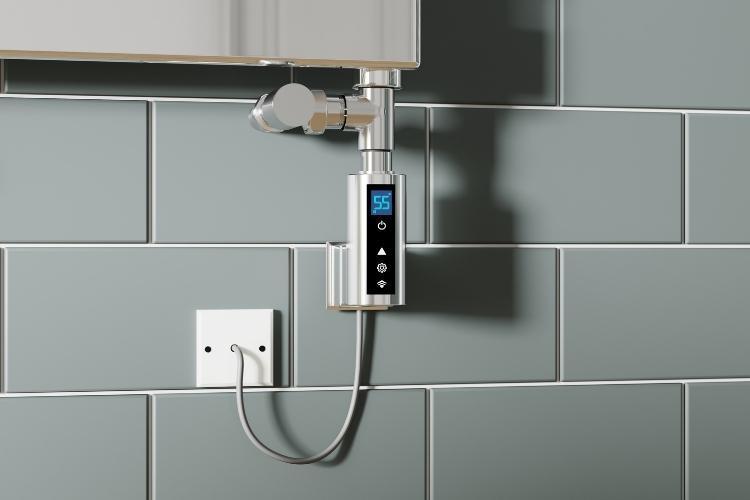
Traditional central heating systems deliver warmth through fixed schedules or manual adjustments. Smart electric radiators change that model. UK Radiators equips selected modern electric radiators with Wi-Fi connectivity, allowing users to control heating via digital interfaces rather than physical dials.
These systems allow room-by-room scheduling. Users can program different temperatures for different times of day. They can lower heat output when rooms are unoccupied and increase it before use. This granular control reduces unnecessary energy consumption and aligns heating patterns with real household routines.
Modern electric radiators convert close to 100 percent of electrical energy into heat. Control software determines how effectively households deploy that energy. By combining programmable timers with thermostatic feedback, the system shifts heating from static infrastructure to responsive hardware.
Compliance, Standards, and Verified Performance Data
Smart control only works when the hardware delivers the promised output. UK Radiators positions verified heat output as a central principle of its product range. Independent testing referenced in a national campaign led by Managing Director Rob Nezard found that some radiators sold in the UK delivered between 25 and 38 percent less heat than advertised. That campaign triggered a formal government investigation into labeling practices.
Manufacturers must follow the Construction Products Regulation 2011 and the BS-EN 442 standard. These regulations require Declarations of Performance that list heat outputs at Delta T 50 and Delta T 30. Andy Phillips, Chair of the Manufacturers Association of Radiators and Convectors (MARC), stated: “Complying with the Construction Products Regulation and adhering to BS-EN 442, by providing values for Delta T 50 and Delta T 30, is crucial not only for regulatory compliance but also for ensuring that consumers get the level of heating they expect. Using Delta T 60 values or higher is in breach of the Construction Products Regulation and also undermines the integrity of our industry.”
Duncan Johnson, Deputy Director of Construction Products Regulation for the Office for Product Safety and Standards, said: “We are delighted to be working with MARC to address the challenges being faced in the radiator industry, helping to ensure that manufacturers and suppliers are providing information that is both accurate and compliant with the standard.”
UK Radiators reports that it independently tests its central heating products in the UK before publishing specifications. Customers reviewing its range of radiators can compare verified output figures and use the built-in BTU calculator to estimate required heat output based on room dimensions. This integration of performance data and digital tools supports informed energy planning.
Thermostatic Valves and Adaptive Room Control
Smart heating doesn’t depend solely on electric models. Thermostatic radiator valves introduce adaptive control into wet central heating systems. Unlike manual valves, which simply open or close flow, thermostatic valves sense room temperature and adjust output automatically.
When a room reaches its target temperature, the valve restricts the flow of hot water. When the temperature drops, it reopens. This mechanism reduces overheating and lowers unnecessary energy use. It also allows households to maintain different temperature profiles across multiple rooms.
UK Radiators supplies both manual and thermostatic valves in steel and brass finishes. While finish choices affect appearance, the core benefit lies in adaptive temperature management. By combining thermostatic valves with accurately sized modern radiators, households can create a more responsive heating system without replacing the entire infrastructure.
Electric Safety, Wattage Matching, and Software Integration
Smart heating requires safe and predictable operation. UK Radiators states that its electric models include automatic safety cut-offs that activate at approximately 70 degrees Celsius. This mechanism prevents overheating and protects both equipment and users.
The company also matches each electric heating element to the radiator’s rated output. This alignment ensures wattage matches the advertised heat output. Without correct pairing, software controls cannot compensate for underpowered hardware.
Under the Lot 20 Ecodesign Directive, electric space heaters sold in the UK since 2018 must include intelligent room temperature controls. UK Radiators integrates these controls into its electric range, combining regulatory compliance with programmable scheduling. The result is a system in which hardware capacity, safety limits, and software operate together.
Electric column radiators clearly illustrate this integration. They preserve the multi-column aesthetic often associated with cast-iron radiators, yet operate via Wi-Fi and programmable settings. This pairing demonstrates how traditional design can function within a digitally controlled energy framework.
Installation, Sizing Tools, and Structured Energy Planning
Software-driven heating depends on correct sizing and installation. UK Radiators provides a digital BTU calculator that estimates the required heat output based on room size and heat loss. This tool reduces common errors such as under-sizing, which can result in insufficient warmth.
The company supports installation through a nationwide partnership that typically provides professional fitting within three days of delivery. Correct installation ensures that thermostatic valves, electric elements, and central heating connections operate as designed.
Delivery services include two-person handling for heavier column radiators and placement of choice. These logistical systems complement the digital planning tools by ensuring that hardware arrives at the correct location and functions properly upon installation.
Conclusion
The software side of heating now influences how households manage energy on a daily basis. Programmable scheduling, Wi-Fi connectivity, thermostatic sensing, and verified performance data transform radiators from passive fixtures into controllable hardware. UK Radiators integrates these elements within its column radiator and smart electric ranges, aligning traditional design with digital functionality.
By pairing independently tested heat outputs with adaptive controls and regulatory compliance, the company positions heating as a measurable, programmable system. As energy costs and efficiency standards continue to shape household decisions, smart controls increasingly determine how heat is produced and precisely managed.

Lynn Martelli is an editor at Readability. She received her MFA in Creative Writing from Antioch University and has worked as an editor for over 10 years. Lynn has edited a wide variety of books, including fiction, non-fiction, memoirs, and more. In her free time, Lynn enjoys reading, writing, and spending time with her family and friends.